
6 Steps to a Luminous Glow: Your Guide to Fading Dark Spots & Brightening Skin
BestIndian LuxuriesKey Takeaways: Building True Radiance
- The Cellular "On Switch": Hyperpigmentation and dark spots occur when the tyrosinase enzyme triggers melanocytes to overproduce melanin in response to UV light or localized inflammation.
- Enzymatic Intervention: Achieving a lasting glow requires natural tyrosinase inhibitors, such as the active purpurin compounds in Manjistha root, to disrupt melanin factory signaling at its source.
- Gentle Alpha-Hydroxy Exfoliation: Fading established spots requires a soft chemical exfoliant like lactic acid, naturally nested in Goat Milk, to accelerate cell turnover without causing inflammatory hyperpigmentation.
- The Active Brightening Ritual: Correct deep discoloration, shield cells with antioxidants, and encourage fresh skin cell renewal by cleansing daily with the BestIndian™ GlowPotion™ Cleansing Bar.
Guide Contents
-
1. The Science of Skin Tone: Melanin & Hyperpigmentation
Understanding melanogenesis, the protective role of melanin, and the tyrosinase enzyme switch. -
2. The 6-Step Natural Path to a Luminous Complexion
A comprehensive blueprint addressing pigment inhibition, antioxidant defense, and cell turnover. -
3. Your Ideal Brightening Ritual: The GlowPotion™ Soap
How our targeted Goat Milk and Manjistha formula treats uneven tone from multiple angles. -
4. Frequently Asked Questions
Expert, biology-backed answers on skin cell cycles, chemical scrubs, and Post-Inflammatory Hyperpigmentation.
Is your skin generally clear, but just seems to lack that vibrant, 'lit-from-within' radiance? Do you struggle with stubborn dark spots that linger for months after a blemish has healed, or an uneven skin tone that dims your complexion? You are not alone.
For many, the path to brighter skin seems to involve harsh scrubs or questionable chemical agents that can leave the skin irritated and sensitive. But achieving a true, lasting glow isn't about stripping the skin. It requires a more intelligent, multi-faceted approach: correcting pigmentation at its biological source, protecting skin from future damage, and promoting healthy cell turnover.
This guide will provide a 6-step path to achieving exactly that, using the power of natural, Ayurvedic science to unveil your most luminous skin. It's time to stop simply 'brightening' and start building a genuine, healthy glow from within.

The Science of Skin Tone: Understanding Melanin & Hyperpigmentation
To effectively treat an uneven complexion, we must first understand what creates skin tone in the first place. The color in our skin is determined by a natural pigment called melanin.
Meet Melanin: Your Skin's Natural Protector
Melanin is produced by specialized cells called melanocytes, and its primary, vital job is to protect your skin by absorbing and dissipating harmful ultraviolet (UV) radiation from the sun. In essence, it is your body's own natural, built-in sunscreen. The issue of hyperpigmentation, therefore, arises not from melanin itself, but from its overproduction in concentrated spots, leading to a loss of clarity and evenness.

The "On Switch": How Tyrosinase & Its Triggers Create Dark Spots
The entire process of melanin production, known as melanogenesis, is controlled by a critical enzyme called tyrosinase. Think of tyrosinase as the main "on switch" in a factory; when it gets a signal, it commands the melanocytes to start producing pigment. Several common factors can send this signal into overdrive:
Sun Exposure (UV Radiation):
This is the most common trigger. When your skin is exposed to the sun, it activates tyrosinase to produce more melanin as a defense mechanism. This protective response can sometimes be uneven, leading to freckles, sun spots, and general darkening.
Inflammation:
When your skin experiences inflammation—from an acne breakout, a rash, or even an insect bite—the healing response can include an overproduction of melanin. This is why you often see a stubborn dark mark long after a pimple has healed. This specific type is clinically known as Post-Inflammatory Hyperpigmentation (PIH).
Hormonal Fluctuations:
Changes in hormones, often associated with pregnancy or certain medications, can also trigger tyrosinase, leading to patches of discoloration known as melasma.
Understanding that the tyrosinase enzyme is the key "on switch" allows for a much more intelligent approach to treatment. Instead of just trying to scrub away existing spots, we can work to inhibit this enzyme and address the overproduction of pigment at its very source.

The 6-Step Natural Path to a Luminous, Even Complexion
Achieving a truly luminous complexion requires a consistent, multi-pronged strategy that both corrects existing discoloration and prevents future damage. Here is a 6-step natural approach to guide your skin back to its most even and radiant state.
1. Inhibit Melanin Production at the Source
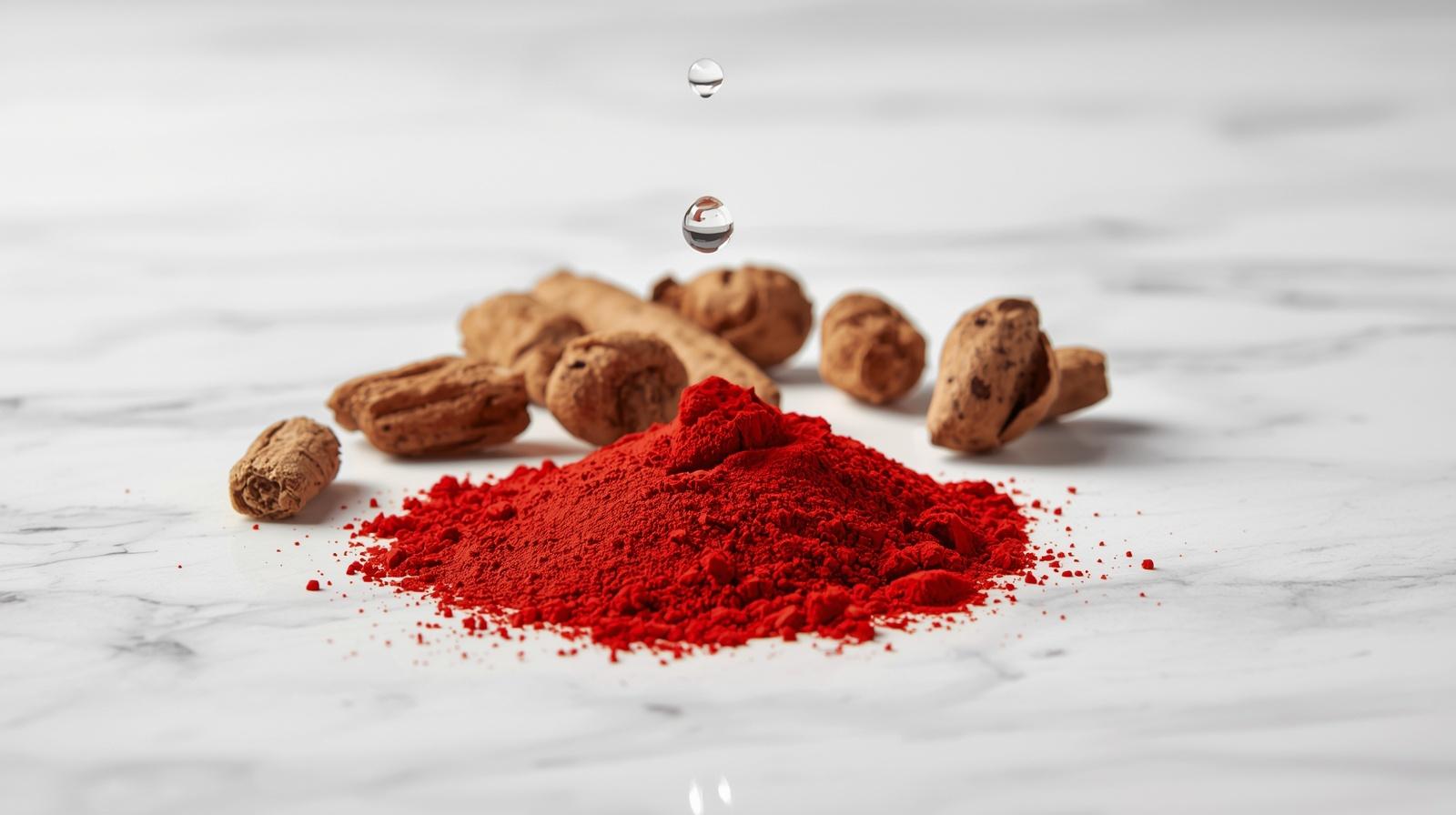
This is the most direct and sophisticated way to address hyperpigmentation. Instead of just treating the surface, you can use ingredients that work at a biological level to slow down the "on switch" for pigment production. Certain potent botanicals are known as natural tyrosinase inhibitors, which means they gently interrupt the enzyme responsible for creating excess melanin. The celebrated Ayurvedic herb Manjistha (Rubia Cordifolia) has been observed in scientific studies to possess these exact properties, making it a hero ingredient for correcting pigmentation at its source.
2. Defend with Daily Antioxidants
Since UV exposure is a primary trigger for dark spots, protecting your skin from environmental and free-radical damage is a non-negotiable step in preventing new pigmentation from forming. Antioxidants are molecular bodyguards that neutralize these damaging free radicals. Luxurious ingredients like Saffron (Kesar) are packed with powerful antioxidants that help shield the skin from the daily environmental stress that leads to dullness and discoloration.
3. Gently Exfoliate to Reveal New Skin
Fading existing dark spots requires encouraging the shedding of the older, hyper-pigmented skin cells on the surface. It is crucial to do this gently, as harsh physical scrubs can cause inflammation and lead to more dark spots. The best approach is to use gentle chemical exfoliants like Alpha-Hydroxy Acids (AHAs). A mild AHA like lactic acid, naturally found in Goat Milk, is ideal as it helps to accelerate cell turnover without causing irritation, revealing the newer, more even-toned skin beneath.
4. Use Sun Protection Religiously
This step is simple but arguably the most important. All your efforts to correct pigmentation will be undermined without daily, broad-spectrum sun protection of SPF 30 or higher. Sunscreen is your first line of defense; it prevents UV radiation from activating the tyrosinase enzyme in the first place. This is a non-negotiable daily habit, even on cloudy days.
5. Incorporate Vitamin C-Rich Botanicals
Vitamin C is another celebrated brightening agent in the skincare world. It functions as both a potent antioxidant (helping to protect the skin) and also appears to interfere with the melanin production process. Many high-quality, plant-based oils used in natural soap formulations are rich sources of this vital skin-beautifying vitamin.
6. Be Patient and Consistent
Fading hyperpigmentation is a marathon, not a sprint. The process requires waiting for the skin's natural turnover cycle (which can take 28 days or longer) to bring new, less-pigmented cells to the surface. Consistency with a targeted routine that incorporates these steps is the true key to seeing lasting, meaningful results.
Discover Youth & Radiance Soap Collection (Elixir of Youth™ + GlowPotion™ Combo)

Your Ideal Brightening Ritual: The GlowPotion™ Soap
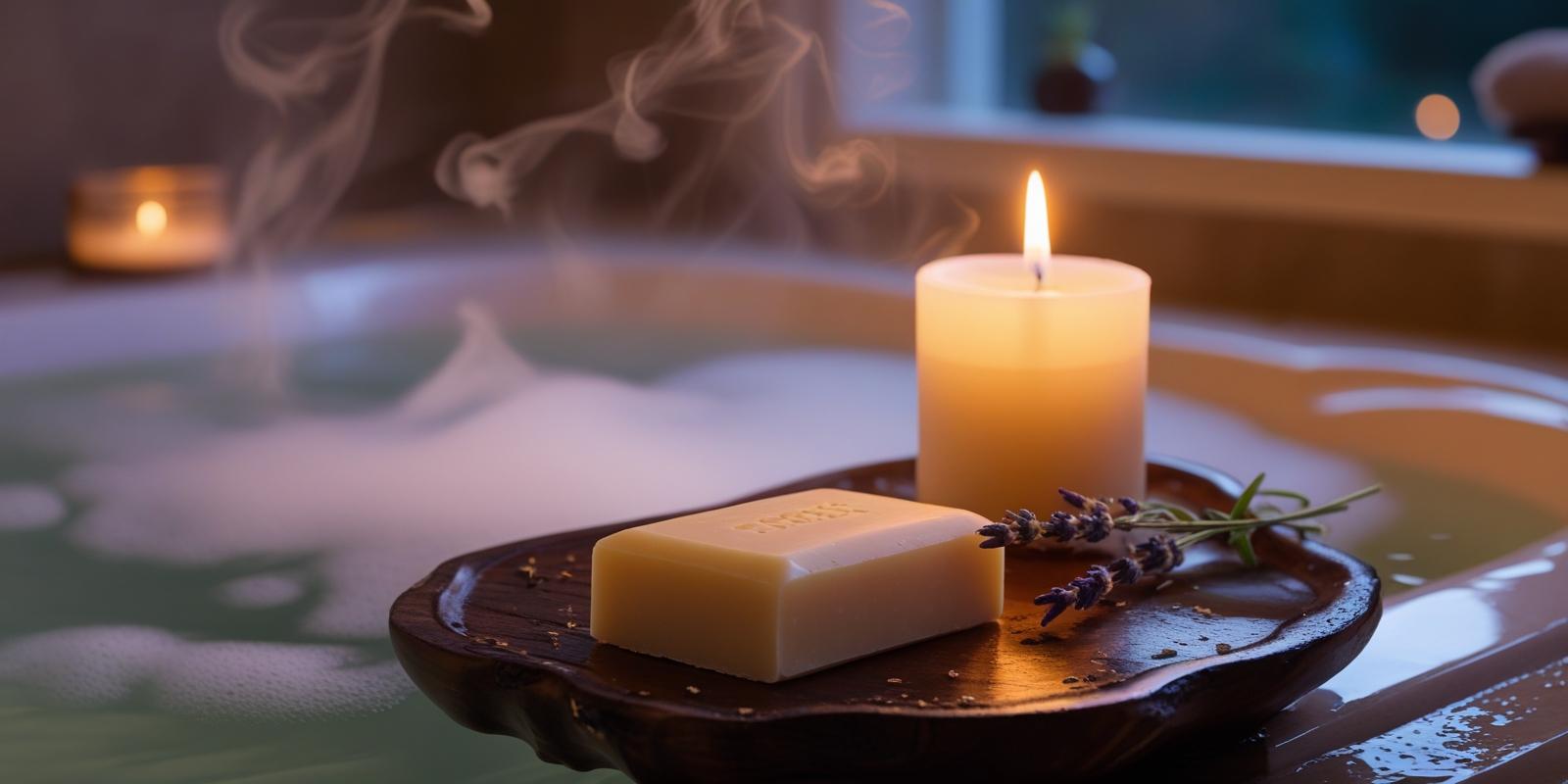
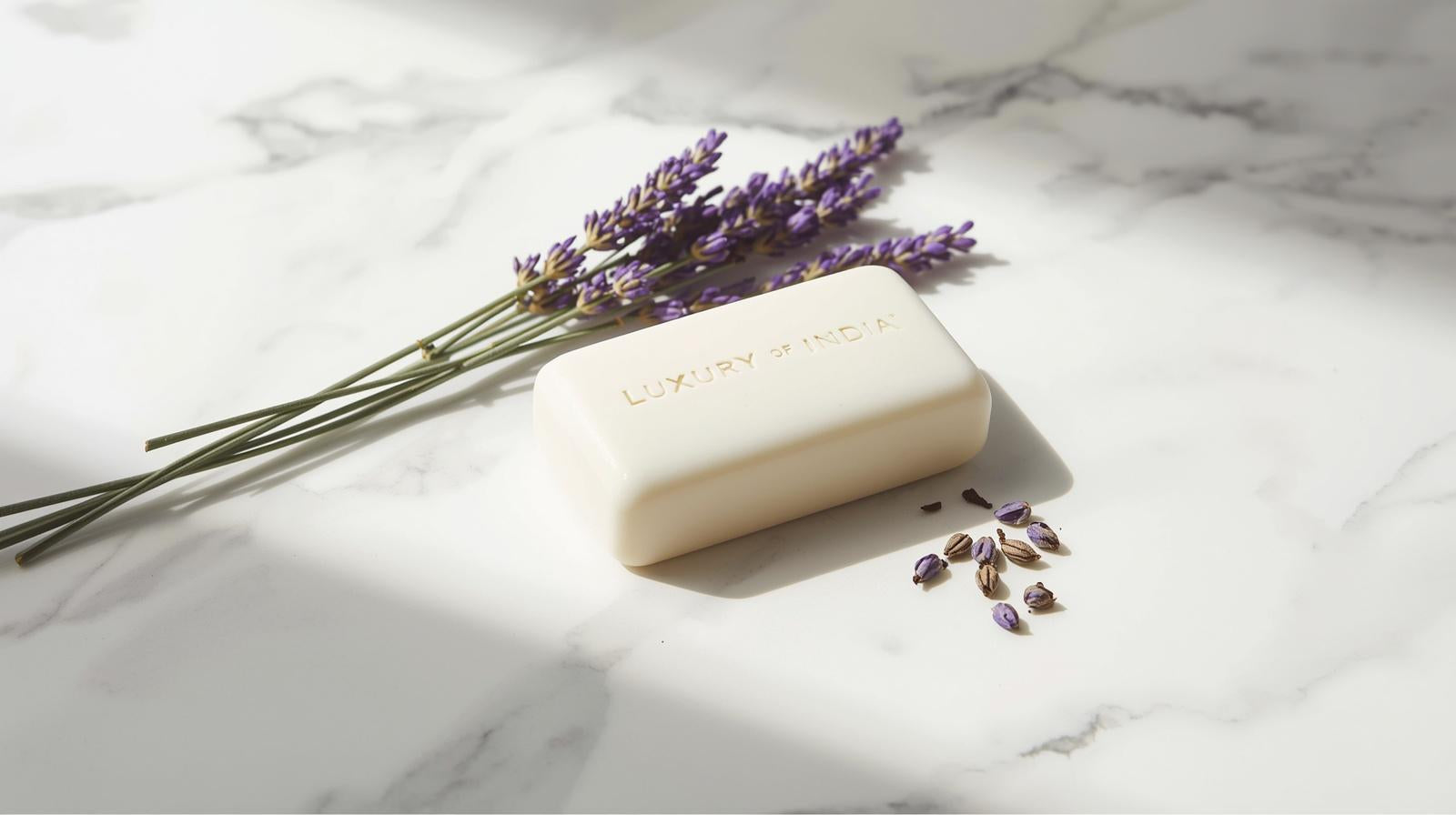
An effective brightening cleanser must do more than just wash your skin; it should be an active first step in your treatment ritual, incorporating the principles of pigment inhibition, antioxidant defense, and gentle exfoliation. This multi-pronged philosophy is the exact science behind the GlowPotion™ Cleansing Bar.
It was specifically formulated to target dullness and hyperpigmentation from multiple angles:
- Its hero ingredient, Manjistha, is a potent Ayurvedic tyrosinase inhibitor that works at the source to help correct and prevent the formation of dark spots.
- This is supported by a blend of antioxidant-rich botanicals that help protect your skin from the free-radical damage that can trigger future discoloration.
- The entire formulation is based in nourishing Goat Milk, which provides natural lactic acid for gentle, daily exfoliation, helping to slough away dull surface cells and reveal the more radiant skin beneath.
By incorporating this bar into your daily routine, you create a consistent brightening ritual that addresses uneven skin tone from every necessary angle. It is your daily potion for achieving a truly healthy, even-toned, and luminous glow.

Achieving a truly lasting and healthy glow is not about quick fixes or harsh bleaching agents. As we've learned, it's about a consistent and intelligent routine that addresses pigmentation from every angle—by inhibiting melanin overproduction at its source, protecting the skin from environmental damage, and promoting gentle, healthy cell turnover.
Embracing this scientific, nature-driven approach is the most effective path to the even-toned, luminous complexion you desire. We invite you to start your journey to a more radiant complexion by discovering the brightening power of the GlowPotion™ Cleansing Bar and exploring our full collection of targeted Ayurvedic soaps.
Reveal your skin's true radiance, not by stripping it, but by bringing it into beautiful, balanced harmony.

Frequently Asked Questions: The Science of Dermal Radiance
1. Why do physical face scrubs worsen dark spots and hyperpigmentation over time?
Coarse physical scrubs use abrasive particles that scratch and irritate the epidermis. This micro-tearing triggers a localized immune defense response that accelerates inflammation. This inflammation acts as a direct signal to activate the tyrosinase enzyme, prompting melanocytes to overproduce melanin and leading to darker Post-Inflammatory Hyperpigmentation (PIH).
2. How exactly does a natural tyrosinase inhibitor fade established sun spots?
Tyrosinase is the essential chemical switch required to run the process of melanogenesis (melanin factory production). Active botanical compounds found in herbs like Manjistha bind to this specific enzyme, safely blocking its activation. By cutting off the signal that commands pigment cells to flood the area, it stops new spot development and allows old discoloration to break down.
3. What makes the lactic acid in Goat Milk safe for daily skin-brightening routines?
Unlike aggressive synthetic alpha-hydroxy acids that peel away skin layers indiscriminately, lactic acid derived from organic **Goat Milk** is an exceptionally mild, hydrating AHA. It gently dissolves the desmosomes (sticky bonds holding dead surface skin cells together) to encourage cellular renewal without disrupting your skin's protective acid mantle or moisture lipids.
4. Why is a 28-day timeline necessary to observe true brightening results?
Melanin pigment sits deep inside the layers of the stratum corneum cells. True skin clearing cannot be rushed because it is entirely dependent on your skin's biological cellular turnover timeline, which requires roughly 28 days or longer for new, unpigmented epidermal cells to rise to the surface and replace dull skin.
5. How do antioxidants like Saffron (Kesar) prevent future hyperpigmentation?
When ultraviolet radiation strikes unprotected skin, it splits oxygen molecules to create unstable, highly reactive free radicals. These free radicals attack cells and activate pigment switches as an immune defense mechanism. Potent antioxidants neutralise these destructive particles early on, stopping the cellular chain reaction that leads to sun spots.