
Unveiling Petrichor: The Science Behind the Scent of First Rain
BestIndian LuxuriesKey Takeaways
- Ancient Heritage: Petrichor (Mitti Attar) was traditionally used to anoint the Kings of ancient India during coronation ceremonies.
- Scientific Genesis: The "scent of rain" is a complex interplay of Geosmin (soil bacteria), plant oils, and ozone released as aerosols.
- Unrivaled Purity: Unlike synthetic alternatives, our process uses the traditional Deg-Bhapka method with a pure sandalwood base.
- Experience the Legend: You can now own this primal, royal fragrance through the 100% natural BestIndian™ King Perfume Elixir.
Table of Contents
At BestIndian Luxuries™, our aim is to present you with the most exquisite and evocative sensory experiences that India has to offer. Today, we delve into a phenomenon that transcends mere scent – a primal aroma that resonates deep within our souls: petrichor - the scent of rain.
This earthy fragrance owes its genesis to the Indian monsoon’s arrival and is known by various monikers such as rain fragrance, petrichor perfume, mitti perfume, or simply, the first rain perfume. It is more than just a meteorological occurrence; it's an unforgettable sensory experience and the inspiration behind our signature masterpiece: BestIndian™ King Perfume Elixir.

Coronation of the Kings of India: History of Petrichor (The Scent of Rain)
Since the dawn of civilization, a mesmerizing fragrance has been associated with India. This unique scent, emitted by parched land after absorbing the first few raindrops of the annual monsoon, became synonymous with the subcontinent. The scent of rain was particularly prominent around Kannauj, an ancient city of northern India. The unique soil composition of Kanyakubja (ancient Kannauj), combined with dry and hot summers, created the perfect conditions for the definitive petrichor fragrance.

After centuries of incessant efforts, ancient Indian scientists and perfumers successfully captured this unique scent in a bottle. Reverentially known as Mitti Perfume, it was created by steam distillation of the local soil. Historians note that Indian perfumery dates back to the Indus Valley Civilization. In India, this aromatic culture was the prized preserve of royalty; indeed, petrichor was ordained for use in anointing kings during their coronation ceremonies.
Historians note that Indian perfumery dates to Indus valley civilization, and beyond. In India the ancient aromatic culture was once associated with the elite ruling and royal classes, and was the prized preserve of the Kings, Queens and the Aristocracy. The importance of the petrichor can be gauged from the fact that it was ordained to be used for anointing the kings of ancient India during their coronation ceremony.

Magic of Raindrops and Wet Earth: The Nomenclature of Petrichor
Contrary to the commonly held belief, petrichor perfume doesn’t merely allude to smell of the first rain itself. The real petrichor fragrance originates in the exact moment when the first few raindrops fall on the arid land. This term was coined in 1964 by Isabel Joy Bear and Richard Grenfell Thomas, mineralogists at the Australian CSIRO science agency, in a research paper published by the Nature journal.
The two scientists were fascinated with a unique perfume being made in India since ancient times, which beautifully captured the combined essence of wet soil and rain drops. Derived from the Greek words "petra" (stone) and "ichor" (the ethereal fluid that flows in the veins of the gods in Greek mythology), the name hints at the almost mystical quality of this rain fragrance and beautifully encapsulates its essence.
But what exactly creates this captivating aroma, this unique perfume of the first rain?

Understanding the Science: Geosmin and the Rain Perfume
Petrichor Origin:
Rocks that had been exposed to warm, dry conditions were steam distilled to reveal a yellow-coloured oil that had become trapped in the rocks and soil, which was responsible for the petrichor fragrance. Various mechanisms have been touted as the origin of this oil, such as- organic compounds’ sorption from the atmosphere, catalytic transformation of compounds which have been sorbed, the synthesis of odorous compounds on the clay or rocky surface by the catalysis of gases present in the atmosphere of the earth, and microbial activity.

Earth’s atmosphere contains volatile decomposition products from organic matter, such as, lipids, terpenes, carotenoids, etc. The properties of the sorbent and the partial water vapour pressure of the atmosphere directly controls the level of sorption of these compounds or their oxygenated derivatives, by rocks and clays, with low relative humidity levels favouring maximum sorption. Additionally, hot weather speeds up the oxidation and transformation of sorbates, which take place on the surface of the rock. Consequently, the aromatic byproducts of these processes are displaced from the pores of the rock by the moisture when the relative humidity of the atmosphere approaches the level of saturation.
 The science behind petrichor is a fascinating interplay of biological and chemical processes:
The Hidden Oils:
During prolonged dry periods, certain plants, particularly those belonging to the Actinobacteria family, secrete oily compounds onto the surface of rocks and soil. These viscous oils accumulate over time, waiting for the opportune moment.
Geosmin: The Earthy Heart:
Another crucial contributor is geosmin, a metabolic byproduct produced by Streptomyces, a type of filamentous bacteria commonly found in soil. Geosmin is incredibly potent; the human nose can detect it in concentrations as low as five parts per trillion. Its distinct earthy, sometimes slightly musty, aroma is a key component of the scent of first rain.
The Release:
When raindrops finally descend upon the parched earth, the impact propels these accumulated oils and geosmin molecules into the air as a fine aerosol. This aerosolized mist, carrying the unique blend of plant oils and geosmin, is what we perceive as the unmistakable smell of rain
Ozone's Contribution:
Often, the air preceding a thunderstorm carries a faint, sharp scent of ozone (O3). This is produced when lightning or electrical discharges in the atmosphere split oxygen molecules, which then recombine to form ozone. When lightning strikes, diatomic molecules of oxygen and nitrogen (containing 2 atoms) are split, and rearrange to create nitric oxide (NO) and ozone, or O3. Ozone molecules are carried down by droplets of rain to contribute to the scent. While not strictly part of petrichor, the presence of ozone can often accompany and enhance the overall sensory experience of rain after a dry spell.

A Sensory Symphony: Why the Scent of Rain Resonates So Deeply
The allure of petrichor extends far beyond its scientific explanation. For centuries, across cultures, the perfume of the first rain has evoked feelings of nostalgia, tranquility, and a profound connection to nature. Several factors contribute to this deep-seated resonance with this unique fragrance:
Evolutionary Connection:
Scientists theorize that our attraction to the rain’s fragrance is rooted in our evolutionary past. For early humans, the scent of the first rain often signalled the end of a dry period, bringing with it relief, the revitalization of vegetation, and the availability of fresh water – all crucial for survival. This association may have become ingrained in our olfactory senses.
Emotional Associations:
The arrival of rain after a period of dryness often brings a sense of cleansing, renewal, and peace. The gentle drumming of raindrops, the cooling of the air, and the vibrant green hues that emerge afterwards all contribute to a positive emotional response, which becomes intertwined with the perfume of rain.
Cultural Significance:
In many cultures, rain is seen as a blessing, a life-giving force. The fragrance of the first rain that accompanies it carries symbolic weight, representing fertility, growth, and purification. This cultural understanding further deepens our appreciation for petrichor.

BestIndian™ King Perfume Elixir: Capturing Earth's Renewal
Inspired by this evocative power, we have meticulously crafted BestIndian™ King Perfume Elixir -the authentic perfume of the first rain. This is the original petrichor which was used by the ancient royals, and is the most powerful of all primal scents known to mankind as it directly triggers the amygdala. This isn't just another fragrance; it's an olfactory journey, a bottled memory of the first drops of rain romancing the sun-baked earth.

The beautiful fusion of the fragrance of the first rain with the scent of the wet earth makes this perfume rarest of the rare- the legitimate perfume for a king. This is the fragrance of the man who is one with the elements, with the earth and the water; and whose arrival is as mesmerizing as the onset of the first rain of the summer, much awaited and celebrated. He is a man who embodies the essence of all that defines a man. Afterall, he isn’t just any man, he is the king. BestIndian King!
This luxurious roll-on perfume elixir comes encased in a beautifully crafted, custom-made wooden casing, which provides unrivalled exclusivity to this delectable ‘pièce de resistance’.

BestIndian™ King Perfume Elixir incorporates the multifaceted character of the classic petrichor fragrance:
Earthy Foundation:
We've incorporated notes that echo the deep, grounding aroma of geosmin, reminiscent of rich, fertile soil after a long dry spell, the very heart of the rain fragrance.
Sandalwood Base:
The sandalwood base adds a delectable woody & creamy aspect, making the perfume infinitely more aromatically complex while greatly enhancing its earthy notes and providing calming, grounding properties.
Green Accents:
Subtle hints of verdant botanicals evoke the revitalized plant life, the burst of freshness that follows the rain, adding another layer to this captivating perfume of the first rain.
Mineral Undertones: A touch of earthy notes subtly hints at the stones and earth that release their fragrant secrets upon contact with water, contributing to the authentic scent of rain.
A Touch of the Ethereal:
Just as ozone often accompanies the rain, a whisper of clean, crisp notes adds a touch of invigorating freshness to the composition, enhancing the overall experience of this unique petrichor fragrance.
100% Natural | 0% Alcohol:
Unlike 95% of the perfume makers who mix synthetics with essential oils to bring down the cost, we at BestIndian believe in the preservation of natural fragrances against the encroachment of the synthetic alternatives. We guarantee that our perfume is free of all synthetic additives and is made from 100% natural ingredients.

The Making of the Best Indian Petrichor Perfume
BestIndian™ King Perfume Elixir is made by distilling the fragrance of baked earth, typically after the first rains of the monsoon season, using unique soil from an ancient quarry located near the old Kannauj fort. The traditional deg and bhapka method is employed to create this perfume elixir, wherein earth is collected, baked, and then steam-distilled to release its unique aroma.

The key to obtaining the original petrichor involves extraction of clay from the topsoil, which is then baked in a kiln at a predetermined temperature. This is a long process, and it is crucial that the temperature, our trade secret, is maintained at a constant level throughout. The baked earth is given the shape of disks, which are then immersed in water in a large copper pot (deg). The deg is heated to another predetermined temperature, to allow the steam to rise.
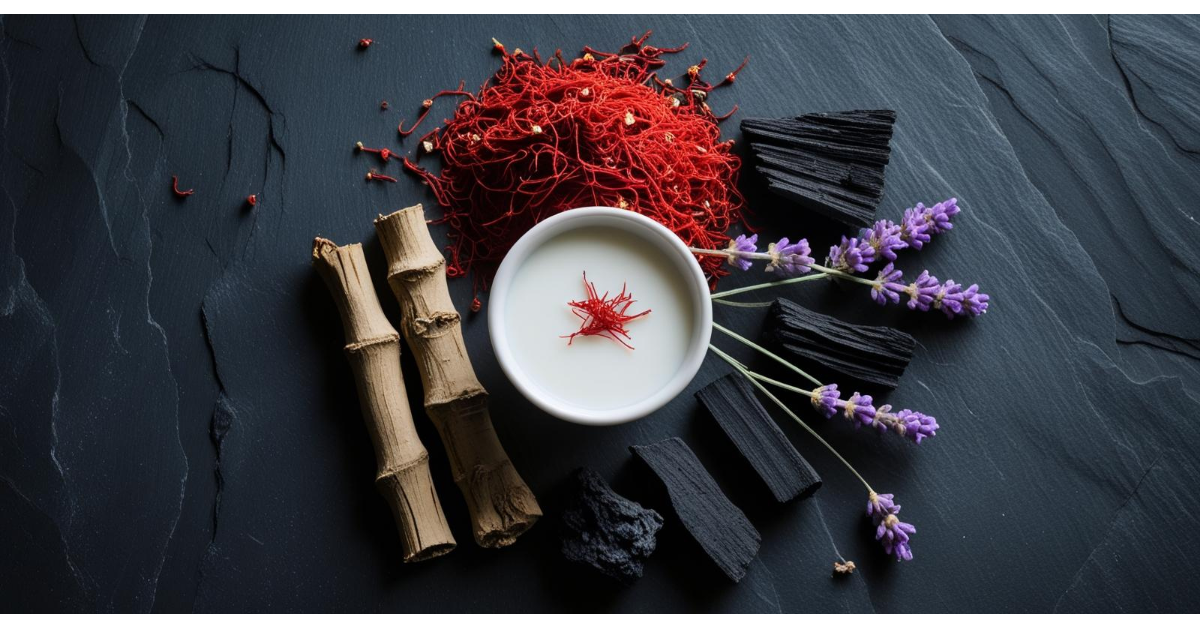
This steam, containing the baked earth’s essence, travels through a bamboo pipe to a receiver flask (bhapka), containing sandalwood oil to form BestIndian™ King Perfume Elixir.

Frequently Asked Questions
What exactly is the "Petrichor" scent?
Petrichor is the pleasant, earthy aroma produced when rain falls on dry ground. It is caused by the release of Geosmin (bacteria byproduct) and plant oils that have accumulated in the soil and rocks during dry spells.
How is Mitti Attar (Rain Perfume) made?
Authentic Mitti Attar, like our BestIndian™ King, is made through hydro-distillation. Clean, baked earth is distilled into a base of pure Sandalwood oil using traditional copper stills (Degs) and receiver flasks (Bhapkas).
Why is BestIndian™ King considered the "Original" Petrichor?
Unlike modern synthetic "rain" scents, BestIndian™ King uses the exact ancient methodology and specific clay from Kannauj that was used for royal coronations thousands of years ago. It contains 0% alcohol and 100% natural extracts.
Is this perfume long-lasting?
Yes. Because it is a highly concentrated Perfume Elixir based in sandalwood oil rather than alcohol, it lingers on the skin significantly longer than conventional sprays, evolving beautifully over several hours.
Explore the luxurious BestIndian™ Perfume Elixir collection.
Find your signature in our Main Perfume Collection.