
Unveiling the Best Hair Oil Ingredients: A Deep Dive into Amla, Bhringraj, Rosemary, Fenugreek & More for Ultimate Indian Hair Health
BestIndian LuxuriesKey Takeaways: Nature's Molecular Pharmacy
- The Carrier Canvas: True efficacy starts with cold-pressed bases; Lauric Acid-rich Coconut oil offers inner hair shaft penetration, while Tila Taila (Sesame) serves as a warming, high-stability Ayurvedic nutrient transporter.
- Follicular Energizers: Clinical research confirms that Rosemary leaf actives stimulate scalp microcirculation and modulate DHT receptors as effectively as conventional treatments, but without synthetic irritation.
- Hormonal & Environmental Shields: Fenugreek seeds deliver Diosgenin (a natural plant anti-androgen) to fight thinning, while Amla's rich hydrolysable tannins shield delicate melanocytes from premature greying.
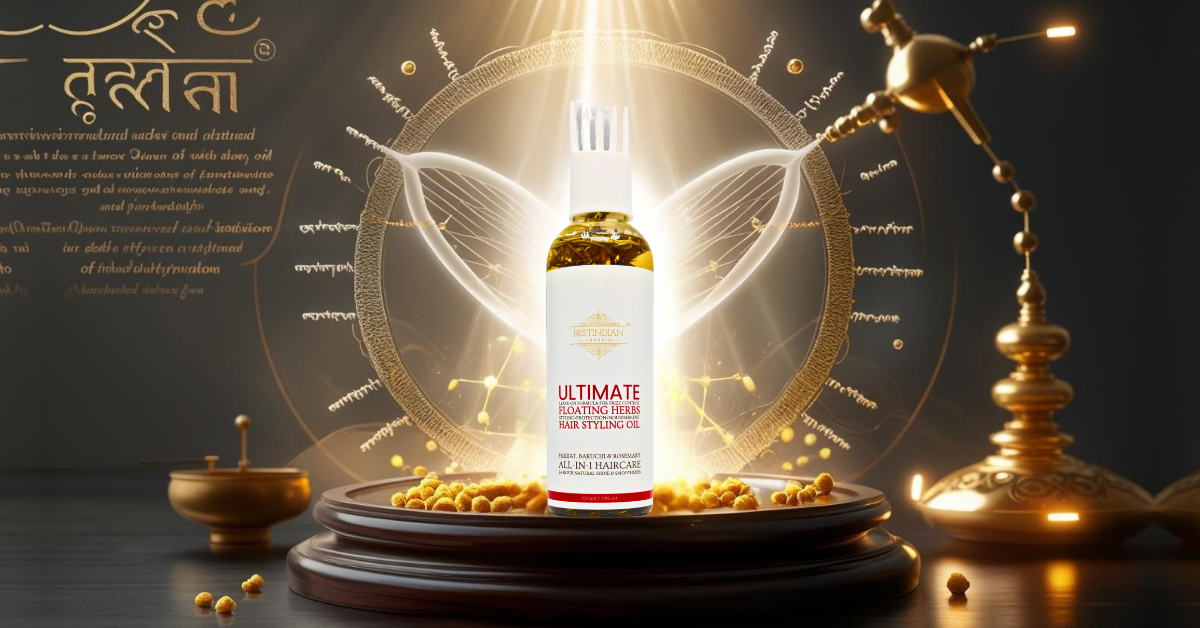
- Dynamic Continuous Extraction: Secure the maximum potency of these pure botanical actives with the 100% preservative-free, COSMOS Organic certified BestIndian™ Ultimate Hair Growth & Styling Oil.
The Secret to Potent Indian Hair Oils – A Symphony of Nature's Finest Ingredients
The enduring global reverence for traditional Indian hair oils stems not from mystique, but from the profound efficacy of their meticulously chosen botanical ingredients. For centuries, if not millennia, Ayurveda and regional Indian traditions have harnessed the power of specific herbs, seeds, fruits, and flowers to create potent elixirs for hair health.
Today, as consumers increasingly seek "natural hair oil ingredients" and "herbal hair oil ingredients," a deeper understanding of these components—their rich phytochemical profiles and scientifically validated benefits—is essential. Many users actively search for information on "Amla hair oil benefits," "Bhringraj for hair growth," or "Rosemary oil for hair," underscoring a desire to know precisely what makes these oils work.

Guide Contents
-
1. The Foundation: Selecting Carrier Base Oils
Analyzing the fatty acid composition and Ayurvedic properties of Coconut, Sesame, and Almond bases. -
2. In-Depth Profiles of Star Ayurvedic Actives
Decoding the scientific mechanics behind Amla, Rosemary, Fenugreek, Bakuchi, and Parijat. -
3. Scalp Purifiers & Anti-Inflammatory Resins
How Tea Tree’s Terpinen-4-ol and Frankincense’s Boswellic Acids optimize the follicle microenvironment. -
4. The Power of Polyherbal Synergy (Samyoga)
Why combining multi-targeted plant compounds yields superior biological performance. -
5. Formulation Extraction & Stability Wisdom
Contrasting traditional Taila Paka Vidhi with clean, modern cold-pressing techniques. -
6. The BestIndian™ Curated Elixir Profile
How our unique continuous-infusion system triggers core cellular pathways for growth. -
7. Frequently Asked Questions
Expert scientific answers on DHT blockers, organic certifications, and preventing grey hair.
This definitive guide will take you on an in-depth journey into "Nature's Pharmacy for Your Hair." We will explore the most potent and scientifically understood natural, herbal, and Ayurvedic ingredients that constitute the "best Indian hair oils." We'll delve into their traditional uses, key bioactive compounds, and the mechanisms through which they promote hair growth, combat hair fall, ensure scalp health, and bestow hair with unparalleled vitality and luster.
Understanding these "best hair oil ingredients" will empower you to choose formulations, like those from BestIndian™, that truly deliver on their promise of holistic hair wellness, a concept further explored in our Ultimate Guide to the Best Indian Hair Oil.

The Foundation of Excellence: Understanding Carrier Oils in Traditional Indian Hair Oiling
While the potent herbal extracts provide targeted therapeutic actions, the efficacy of any traditional Indian hair oil is significantly influenced by its base, or "carrier" oil. These carrier oils are not merely inert vehicles; they possess their own unique fatty acid profiles and inherent benefits that contribute to scalp nourishment, hair shaft penetration, and overall product performance. The best Ayurvedic and herbal hair oils use high-quality, often cold-pressed, carrier oils.
Role of Carrier Oils:
Solvent for Herbal Actives:
They act as a medium to extract and dissolve the lipophilic (oil-soluble) bioactive compounds from infused herbs.
Enhanced Penetration:
Some carrier oils can help deliver these active compounds deeper into the scalp and even into the hair shaft itself. (This is explored in detail in our scientific guide on how hair oils work.
Direct Nourishment & Conditioning:
They provide essential fatty acids, Vitamin E, and other nutrients that moisturize, condition, and protect the hair and scalp.
Key Carrier Oils in Indian Hair Care:
Coconut Oil (Cocos nucifera – Narikela Taila):
A staple in Indian hair care, especially in coastal regions.
Composition & Benefits:
Uniquely rich in lauric acid (a medium-chain triglyceride), which has a high affinity for hair proteins and a low molecular weight, allowing it to penetrate the hair shaft more effectively than most oils. This helps reduce protein loss, minimize hygral fatigue (damage from swelling/deswelling with water), and strengthen hair from within. It's also an excellent moisturizer and possesses antimicrobial properties due to monolaurin.
Ayurvedic Perspective:
Generally considered cooling (Sheeta Virya), making it excellent for Pitta-related scalp conditions (inflammation, heat).
Sesame Oil (Sesamum indicum – Tila Taila):
Highly revered in Ayurveda, often called the "king of oils."
Composition & Benefits:
Rich in antioxidants like sesamol, sesamin, and sesamolin, as well as Vitamin E, lecithin, and essential fatty acids (oleic, linoleic). It's known for its ability to penetrate the skin, its warming properties (Ushna Virya – beneficial for Vata and Kapha imbalances), and its deep nourishing effects. It's traditionally used to strengthen hair, promote growth, and prevent premature greying.
Ayurvedic Perspective:
Often used as a base for many medicated Ayurvedic oils (Taila Kalpana) due to its stability and ability to effectively carry herbal properties.
Almond Oil (Prunus dulcis – Badam Taila):
Composition & Benefits:
A lighter oil, rich in Vitamin E, monounsaturated fats (oleic acid), and minerals. It's an excellent emollient, known for softening hair, adding shine, nourishing the scalp, and reducing inflammation. It's often preferred for its non-greasy feel.
Olive Oil (Olea europaea – Jaitun Taila):
Composition & Benefits:
High in oleic acid, Vitamin E, and polyphenols. It's a good conditioner, helps combat dryness, and can add strength and shine. Its penetration is considered moderate.
Mustard Oil (Brassica juncea – Sarshapa Taila):
Composition & Benefits:
Rich in erucic acid, omega-3 and omega-6 fatty acids. It has strong warming and stimulating properties, often used in colder climates or for Kapha/Vata conditions to improve scalp circulation. It also has antimicrobial properties. (Caution: can be irritating for sensitive scalps if used undiluted).
The careful selection and quality of these carrier oils form the essential canvas upon which the vibrant hues of herbal actives paint their beneficial effects. BestIndian™ Hair Oil, for instance, utilizes a thoughtful blend including Coconut, Sesame, Almond, and Methi (Fenugreek) seed oil to ensure a balanced profile of nourishment, penetration, and protection.

Ayurveda's & Nature's Star Actives: In-Depth Profiles of Key Keshya Herbs for Hair Oils
The remarkable efficacy of the best Indian hair oils lies not in a single "miracle" ingredient, but in the sophisticated synergy of meticulously chosen botanicals. Ayurveda, through its profound science of Dravyaguna (the study of medicinal substances), has identified a wealth of Keshya dravyas—herbs renowned for their ability to promote hair health, stimulate growth, and address various scalp and hair concerns. Modern phytochemistry and pharmacology are increasingly validating this ancient wisdom by identifying the specific bioactive compounds within these herbs and elucidating their mechanisms of action. This section delves into some of these stellar ingredients, particularly those that form the heart of advanced formulations like BestIndian™ Hair Oil.
A. Amla (Phyllanthus emblica / Emblica officinalis – Amalaki): The Ultimate Ayurvedic Rejuvenator & Antioxidant Powerhouse
Traditional Significance & Ayurvedic Properties:
Amla, or Indian Gooseberry, is arguably one of the most revered herbs in Ayurveda, celebrated as a potent Rasayana (rejuvenative tonic) that benefits the entire system, including profound effects on hair health. It is considered primarily Tridoshic, though particularly effective for pacifying Pitta dosha, which is often associated with hair thinning, premature greying (Palitya), and scalp inflammation.
Ayurvedic texts laud Amla for its Keshya (hair-benefiting) properties: strengthening hair roots (Kesha dridhikarana), promoting hair growth (Kesha vardhana), enriching natural hair colour, and imparting luster. Your product description for BestIndian™ Hair Oil notes that Amla's antioxidants, like Vitamin C, gallic acid, ellagic acid, and tannins, help prevent premature graying by absorbing Reactive Oxygen Species (ROS) that damage melanocytes.
Key Phytochemicals & Bioactive Compounds:
The therapeutic prowess of Amla stems from its rich and complex phytochemical profile. It is one of the richest natural sources of Vitamin C (ascorbic acid). Beyond this, it contains a wealth of hydrolysable tannins (such as Emblicanin A, Emblicanin B, Pedunculagin, Punigluconin), gallic acid, ellagic acid, flavonoids (like quercetin, kaempferol, rutin), alkaloids, and fixed oils containing beneficial fatty acids.
Scientifically Validated Actions for Hair & Scalp:
Potent Antioxidant & Free Radical Scavenging:
Amla's primary strength lies in its exceptional antioxidant capacity. The tannins and Vitamin C work synergistically to neutralize harmful free radicals (ROS) generated by UV radiation, environmental pollutants, and internal metabolic processes. This action protects hair follicle cells (especially the vital dermal papilla cells) from oxidative stress, which can otherwise lead to premature follicular aging, impaired function, and hair fall.
Hair Growth Promotion & Follicle Strengthening:
Scientific studies are increasingly supporting Amla's traditional use as a hair growth promoter. Research indicates that Amla extracts can stimulate the proliferation of dermal papilla cells (DPCs) within hair follicles. Furthermore, some studies suggest Amla may exhibit 5-alpha-reductase inhibitory activity, which is significant as this enzyme converts testosterone to DHT, a key hormone implicated in androgenetic alopecia (pattern baldness). By potentially reducing local DHT impact and nourishing follicles, Amla supports a healthier anagen (growth) phase.
Natural Conditioning & Shine Enhancement:
Amla acts as a natural conditioner, smoothing the hair cuticle, reducing dryness, and imparting a healthy shine and softness. Its tannins may also have an astringent effect on the scalp, helping to tone and clarify.
Scalp Health & Anti-Dandruff Properties:
Its mildly acidic nature, coupled with antimicrobial and anti-inflammatory properties, helps maintain a healthy scalp pH, soothes irritation, and can assist in controlling scalp infections and dandruff.
Use in Hair Oils:
Amla fruit is typically dried and powdered, or its fresh juice is extracted and then infused into carrier oils like sesame or coconut oil. This process allows the oil to effectively extract Amla's lipophilic and some hydrophilic beneficial compounds. BestIndian™ Hair Oil incorporates Amla (infused in coconut oil, as per your shampoo product description which mentions "Coconut oil (Cocos nucifera) infused with Amla powder," suggesting a similar approach for the oil) to leverage its comprehensive rejuvenating, strengthening, and growth-supporting benefits.

B. Rosemary (Rosmarinus officinalis): The Follicular Energizer, Circulation Booster & DHT Modulator
Traditional Use & Modern Scientific Interest:
While a native of the Mediterranean, Rosemary has been embraced in traditional medicine systems worldwide and is a subject of intense modern scientific interest for its wide-ranging therapeutic properties, particularly its remarkable benefits for hair and scalp health. Its invigorating aroma and potent bioactives make it a prized ingredient in "hair growth oil" formulations, and your keyword data shows exceptionally high interest in "rosemary oil for hair growth."
Key Phytochemicals & Bioactive Compounds:
Rosemary leaves and essential oil are rich in a complex array of phytochemicals. Key among these are:
Phenolic Compounds:
Including rosmarinic acid, carnosic acid, and caffeic acid, which are potent antioxidants and anti-inflammatory agents.
Diterpenes:
Notably carnosol and carnosic acid, which contribute significantly to its antioxidant and neuroprotective effects.
Essential Oil Components:
Primarily 1,8-cineole (eucalyptol), α-Pinene, camphor, and borneol, which impart its characteristic aroma and contribute to its stimulating, antimicrobial, and circulation-enhancing properties.
Scientifically Validated Actions for Hair & Scalp:
Stimulation of Scalp Microcirculation:
One of Rosemary oil's most well-documented effects when applied topically with massage is its ability to improve blood circulation in the scalp. Compounds like camphor and 1,8-cineole can have a rubefacient (warming and stimulating) effect, leading to vasodilation. This enhanced blood flow is critical for delivering more oxygen and nutrients to the hair follicles, thereby energizing them and supporting a robust anagen (growth) phase.
Hair Growth Promotion & Androgenetic Alopecia:
Several studies have investigated Rosemary oil's efficacy in promoting hair growth, particularly in the context of androgenetic alopecia (pattern hair loss). A notable clinical trial found that rosemary oil lotion was as effective as 2% minoxidil in increasing hair count after 6 months of use, but with less scalp itching reported in the rosemary group. The mechanisms are thought to involve improved circulation, potent antioxidant effects protecting follicles, and potential anti-androgenic activity, possibly by inhibiting 5-alpha-reductase or modulating DHT's binding to follicular receptors.
Potent Antioxidant & Anti-inflammatory Action:
Carnosic acid, rosmarinic acid, and other antioxidants in Rosemary effectively scavenge free radicals, protecting hair follicle cells from oxidative stress and premature aging. Its anti-inflammatory properties help soothe the scalp, reducing conditions like itching or irritation that can hinder healthy hair growth.
Antimicrobial & Scalp Cleansing Properties:
Rosemary oil exhibits broad-spectrum antimicrobial activity, which can help maintain a healthy scalp microbiome, control dandruff-causing yeasts, and keep follicles clean.
Strengthening Hair & Improving Shine:
By improving scalp health and potentially enhancing nutrient delivery to the hair matrix, Rosemary can contribute to stronger hair growth and improved natural shine.
Use in Hair Oils:
Rosemary essential oil is always diluted in a suitable carrier oil (like almond, coconut, or sesame oil) before scalp application to avoid irritation. BestIndian™ Ultimate Hair Growth & Styling Oil strategically includes Rosemary as one of its key floating herbs and in its essential oil blend, ensuring its stimulating, protective, and growth-promoting bioactives are continuously infused and delivered effectively to the scalp and hair.

D. Fenugreek (Trigonella foenum-graecum – Methika / Methi): The DHT Challenger, Circulation Enhancer & Conditioning Powerhouse
Traditional Significance & Ayurvedic Properties:
Fenugreek seeds, commonly known as Methi in India, are a staple in Ayurvedic and traditional home remedies for a multitude of hair concerns. Ayurveda values Methi for its Ushna (warming) properties, which can help pacify Vata and Kapha doshas. It's extensively used to combat hair fall (Khalitya), stimulate hair growth, condition dry and damaged hair, impart shine, and soothe scalp conditions like dandruff. Its mucilaginous texture when soaked makes it a superb natural conditioner.
Key Phytochemicals & Bioactives:
Fenugreek seeds are a nutritional and phytochemical marvel, containing:
Steroidal Saponins:
Notably Diosgenin, which is a precursor for the synthesis of steroid hormones and is gaining attention for its potential anti-androgenic effects.
Alkaloids:
Such as Trigonelline, which has been studied for various physiological effects including vasodilation.
Flavonoids:
(e.g., quercetin, luteolin) which possess antioxidant and anti-inflammatory properties.
Proteins & Amino Acids:
Rich in proteins (including 4-hydroxyisoleucine) that can help strengthen the hair shaft.
Mucilage:
Provides excellent slip and conditioning properties.
Lecithin:
A natural emollient and emulsifier that helps moisturize and strengthen hair.
Vitamins & Minerals:
Contains nicotinic acid (Niacin/Vitamin B3), Vitamin C, iron, and potassium. (The BestIndian™ Hair Oil product page specifically highlights Diosgenin, Trigonelline, Flavonoids, and Lecithin from Fenugreek.)
Scientifically Validated Actions for Hair & Scalp:
DHT Modulation & Hair Fall Control:
As emphasized in the BestIndian™ Hair Oil information, Diosgenin from Fenugreek is respected as a plant-origin anti-androgen. It has shown oestrogenic activity which may contribute to the local inhibition of dihydrotestosterone (DHT) at the scalp, a key factor in androgenetic alopecia. This makes Methi oil a valuable ingredient in "DHT blocker hair oil" considerations.
Enhanced Scalp Circulation:
Flavonoids and Trigonelline present in Fenugreek are known to promote vasodilation in the scalp, improving blood flow and thereby enhancing nutrient and oxygen delivery to hair follicles, which is crucial for robust hair growth.
Deep Conditioning & Moisturization:
The rich mucilage and lecithin content make Fenugreek an exceptional natural conditioner. It helps to hydrate the hair shaft, reduce dryness and frizz, improve elasticity, and impart a soft, smooth texture.
Strengthening Hair & Reducing Breakage:
The proteins and lecithin contribute to fortifying the hair structure.
Scalp Soothing & Anti-inflammatory:
Flavonoids contribute to anti-inflammatory effects, which can soothe an irritated scalp.
Use in Hair Oils:
Fenugreek seeds are often infused into carrier oils (as Methi Oil in BestIndian™ Hair Oil) or the ground powder is used in oil-based pastes to extract their potent compounds for hair nourishment and treatment.

E. Bakuchi (Psoralea corylifolia): The Follicle Stimulator, Pigment Protector & Texture Enhancer
Traditional Significance & Ayurvedic Properties:
Bakuchi holds a significant place in Ayurveda and traditional Chinese medicine, primarily for treating skin conditions like vitiligo (leukoderma) and psoriasis, but also highly valued for its therapeutic effects on hair. It's traditionally used to address Khalitya (alopecia, especially alopecia areata or patchy hair loss), prevent premature greying (Palitya), and improve overall hair texture and strength.
Key Phytochemicals & Bioactives:
The seeds of Bakuchi are rich in furanocoumarins (notably psoralen, isopsoralen, and angelicin), bakuchiol (a meroterpene often touted as a natural alternative to retinol for skin), flavonoids, tannins, glycosides, steroids, and terpenoids.
Scientifically Validated Actions for Hair & Scalp:
Stimulation of Hair Follicles & Growth:
Traditionally, Bakuchi is believed to stimulate dormant hair follicles and promote hair regrowth, particularly in cases of alopecia areata. While direct scientific evidence specifically for Bakuchi oil on anagen prolongation in shampoos/oils is still emerging in mainstream reviews, its traditional use is strong. Its potential mechanisms may involve modulating local immune responses in the scalp or stimulating melanocyte activity (which are closely linked to follicular health).
Preventing Premature Greying:
Its traditional use in preventing Palitya is linked to its potential to support melanocyte function and protect them from damage.
Improving Hair Texture & Strength:
The nourishing and bioactive compounds can contribute to improved hair texture, reducing roughness and enhancing resilience.
Antimicrobial and Anti-inflammatory Properties:
Bakuchi extracts have shown antimicrobial and anti-inflammatory activities, which are beneficial for maintaining overall scalp health and creating an environment conducive to healthy hair growth.
Use in Hair Oils:
Bakuchi seeds or their oil extract are incorporated into specialized hair oil formulations. BestIndian™ Hair Oil includes Bakuchi as one of its unique floating herbs, chosen for its traditional efficacy in addressing hair loss and revitalizing hair.

F. Parijat (Nyctanthes arbor-tristis – Night-flowering Jasmine): The Hair & Scalp Revitalizer & Soother
Traditional Significance & Ayurvedic Properties:
Parijat, also known as Harsingar or Night-flowering Jasmine, is celebrated in Ayurveda for its fragrant flowers and medicinal leaves. While renowned for treating fevers, arthritis, and sciatica, its leaves and flowers also find application in traditional remedies for hair and scalp care, particularly for their revitalizing, purifying, and anti-dandruff actions.
Key Phytochemicals & Bioactives:
Parijat contains a rich array of compounds including flavonoid glycosides (like astragalin, nicotiflorin), iridoid glycosides (arbortristosides), oleanolic acid, tannic acid, carotene, D-mannitol, and essential oils.
Scientifically Validated Actions for Hair & Scalp:
Hair Revitalization & Luster:
Traditionally used to address dull, lifeless hair and improve its overall texture and shine. Its antioxidant compounds likely contribute to protecting hair from environmental damage.
Anti-dandruff & Scalp Soothing:
The essential oils and other constituents of Parijat may possess antimicrobial and anti-inflammatory properties, which can help in managing dandruff, soothing scalp irritation, and fostering a healthier scalp environment.
Antioxidant Properties:
Many of its flavonoid and phenolic compounds contribute to antioxidant effects, protecting scalp cells.
Use in Hair Oils:
Extracts from Parijat leaves or flowers are infused into hair oils. BestIndian™ Hair Oil features Parijat as one of its unique floating herbs, valued for its contribution to overall hair revitalization and scalp well-being, and it also contributes to the oil's unique natural fragrance.

G. Tea Tree Oil (Melaleuca alternifolia): The Potent Scalp Purifier & Antimicrobial
Origin & Modern Use:
While native to Australia, Tea Tree Oil's powerful therapeutic properties have led to its global adoption in natural medicine and cosmetics, especially in hair care for its remarkable effects on scalp health.
Key Phytochemicals & Bioactives:
Its primary active component responsible for most of its antimicrobial efficacy is Terpinen-4-ol. Other important terpenes include 1,8-cineole, α-pinene, limonene, and α-terpineol.
Scientifically Validated Actions for Hair & Scalp:
Broad-Spectrum Antimicrobial & Antifungal Activity:
Tea Tree Oil is exceptionally effective against a wide range of bacteria and fungi, including various strains of Malassezia yeast that are key contributors to dandruff and seborrheic dermatitis. This makes it a valuable natural alternative for managing these conditions and an important ingredient in "natural anti dandruff" formulations.
Anti-inflammatory Properties:
It exhibits significant anti-inflammatory effects, helping to soothe itchy, irritated, and inflamed scalps often associated with dandruff or other scalp conditions.
Cleansing & Purifying:
Helps to deeply cleanse the scalp, remove product buildup, and unclog hair follicles, creating a healthier environment for hair growth.
Use in Hair Oils:
Due to its potency, Tea Tree essential oil must always be used in a well-diluted form within a carrier oil blend, as it is in BestIndian™ Hair Oil. This ensures its therapeutic benefits are delivered safely and effectively to purify the scalp, combat dandruff, and soothe irritation, contributing to overall scalp wellness.
H. Frankincense (Boswellia serrata – Shallaki): The Ancient Scalp Soother & Anti-inflammatory
Traditional Significance & Ayurvedic Properties:
Frankincense, the aromatic resin obtained from Boswellia trees, has been revered for thousands of years in incense, perfumes, and traditional medicine systems, including Ayurveda where it is known as Shallaki. It is highly prized for its potent anti-inflammatory and healing properties.
Key Phytochemicals & Bioactives:
The primary therapeutic compounds in Frankincense are boswellic acids (such as α-boswellic acid, β-boswellic acid, and particularly Acetyl-11-keto-β-boswellic acid - AKBA), which are pentacyclic triterpenes. It also contains essential oils.
Scientifically Validated Actions for Hair & Scalp:
Powerful Anti-inflammatory Effects:
Boswellic acids are well-researched for their ability to inhibit pro-inflammatory enzymes, notably 5-lipoxygenase (5-LOX), thereby reducing the production of leukotrienes, which are key mediators of inflammation. This makes Frankincense highly effective in soothing irritated or inflamed scalp conditions, including those associated with dandruff, psoriasis, or general sensitivity.
Astringent & Scalp Toning:
It may possess mild astringent qualities that can help tone the scalp and regulate sebum production.
Improving Scalp Health & Supporting Follicle Environment:
By significantly reducing inflammation and soothing the scalp, Frankincense contributes to creating a healthier, more balanced environment for hair follicles to thrive, indirectly supporting healthy hair growth.
Use in Hair Oils:
Frankincense essential oil or its resin extract is incorporated into premium hair oil blends, such as BestIndian™ Hair Oil (where it's a floating herb), for its exceptional scalp-calming, soothing, and anti-inflammatory benefits. This adds a luxurious and therapeutic dimension to the hair oiling experience.

The Power of Synergy: Why Herbal Blends in Hair Oils are More Effective
While individual herbs like Amla, Rosemary, or Fenugreek possess remarkable therapeutic properties for hair and scalp health, the true brilliance of traditional Indian and Ayurvedic hair oil formulations often lies in the sophisticated art of synergistic blending (Samyoga).
Ayurveda has long recognized that combining multiple herbs in specific proportions can lead to an enhanced therapeutic outcome that surpasses the effect of any single herb used in isolation. This principle is increasingly appreciated in modern phytotherapy and the formulation of high-efficacy "herbal hair oils."
The Ayurvedic Concept of Samyoga (Synergistic Combination):
In Ayurveda, Samyoga refers to the intelligent combination of different dravyas (substances/herbs) to achieve a desired therapeutic effect. This is not a random mixing but a deliberate process based on understanding each herb's Rasa (taste), Guna (qualities), Virya (potency – heating/cooling), Vipaka (post-digestive effect), and Prabhava (specific unique action).
The aims of such combinations can be:
Enhanced Efficacy (Prabhavatishayata):
Where the combined action is stronger than the sum of individual actions.
Broadened Spectrum of Action:
Targeting multiple aspects of a condition (e.g., hair fall due to both follicular weakness and scalp inflammation).
Balancing Effects:
Combining herbs with heating potency (Ushna Virya) with those having cooling potency (Sheeta Virya) to create a balanced formulation suitable for a wider range of individuals or to mitigate potential sharpness of a single herb.
Improved Bioavailability or Delivery:
One herb might aid in the absorption or targeted delivery of active compounds from another.
Phytochemical Synergies at a Molecular Level:
Modern science is beginning to understand the molecular basis of these traditional synergistic blends. Plants produce a vast array of phytochemicals (phenols, flavonoids, alkaloids, terpenes, saponins, vitamins, minerals, etc., as detailed for individual herbs in above. When combined, these compounds can interact in several beneficial ways:
Multi-Target Effects:
Different phytochemicals from different herbs can act on various biological pathways simultaneously. For example, in addressing hair fall and promoting growth, one herb might provide potent antioxidants (like Amla), another might improve scalp circulation (like Rosemary or Fenugreek's Trigonelline), a third might offer anti-inflammatory action (like Frankincense or Parijat), and another might provide natural DHT-modulating compounds (like Fenugreek's Diosgenin). This multi-pronged attack is often more effective than a single-mechanism approach.
Additive or Potentiating Effects:
Two or more compounds might have similar effects that add up, or one compound might potentiate (increase the effectiveness of) another. For instance, the antioxidant network within a blend of herbs can be more robust and resilient than a single antioxidant.
Enhanced Bioavailability or Stability:
Certain compounds in one herb might improve the solubility, stability, or absorption of active compounds from another herb in the formulation.
Addressing Complex Hair & Scalp Issues:
Hair and scalp problems like hair fall, dandruff, or premature greying are often multifactorial, involving imbalances in scalp health, follicular function, nutritional status, and sometimes hormonal influences.
A synergistic blend of herbs allows a hair oil to address these complex issues more comprehensively than a single-ingredient oil might. For example, an "anti hair fall oil" might combine herbs that strengthen roots, improve circulation, reduce inflammation, and provide antioxidant protection simultaneously.
The Wisdom in Traditional Polyherbal Formulations:
Many classical Ayurvedic hair oil formulations (Keshya Tailas) are polyherbal, meaning they contain multiple herbs carefully processed in a base oil. This reflects an empirical understanding, refined over centuries, of which herbal combinations yield the best results for specific hair conditions or for overall hair wellness. Modern reviews of herbal hair oils often highlight these traditional polyherbal approaches.
The formulation of a product like BestIndian™ Ultimate Hair Growth & Styling Oil, with its blend of key actives like Amla, Rosemary, Fenugreek, Bakuchi, Parijat, Tea Tree, and Frankincense in a nourishing carrier oil base, is a direct application of this principle of synergy.
Each ingredient contributes its unique phytochemical strengths, working together to provide comprehensive care that addresses hair fall, promotes growth, ensures scalp health, protects the hair shaft, and enhances its natural beauty. This holistic approach is what makes polyherbal hair oil blends a powerful and sophisticated choice in natural hair care.

Formulation Wisdom: Extracting & Preserving the Power of Nature
The mere presence of potent herbs in a hair oil is not enough to guarantee efficacy; the wisdom in extracting and preserving their bioactive compounds is equally crucial. The best Indian hair oils, especially those in the luxury segment, are crafted with meticulous attention to formulation science, ensuring that the "life force" and therapeutic properties of the botanicals are captured and delivered effectively.
Traditional Ayurvedic Oil Preparation (Taila Paka Vidhi):
Ayurveda has a sophisticated pharmaceutical process for preparing medicated oils known as Taila Paka Vidhi. This often involves:
Decoction (Kashaya) or Fresh Juice (Swarasa) of Herbs:
Preparing a water-based extract of the herbs.
Herbal Paste (Kalka):
Grinding fresh or dried herbs into a fine paste.
Medicated Cooking:
Gently simmering the herbal decoction and/or paste with a specific base oil (like sesame or coconut) over a controlled flame for an extended period. This process allows the oil-soluble and some water-soluble active compounds from the herbs to be slowly and thoroughly infused into the oil. The water eventually evaporates, leaving a concentrated, herb-infused oil. This traditional method is designed to maximize the extraction of therapeutic phytochemicals while also ensuring the stability and potency of the final oil. While not all modern production can replicate this exact process on a large scale, the underlying principle of careful, thorough extraction is key.
Modern Extraction Techniques for Preserving Bioactivity:
Contemporary formulators also employ advanced, scientifically controlled extraction methods to isolate and concentrate beneficial compounds from herbs while minimizing degradation:
Cold Pressing:
Used for carrier oils like coconut, almond, and sesame, this method avoids heat, which can damage sensitive fatty acids and vitamins.
Supercritical CO2 Extraction:
A clean and efficient method for extracting lipophilic compounds and essential oils without using harsh solvents, preserving their purity and potency.
Specialized Solvent Extraction:
Using specific solvents (like ethanol or hydro-alcoholic mixtures) under controlled conditions to selectively extract targeted classes of phytochemicals.
The Importance of Freshness and Quality of Raw Herbs:
The therapeutic value of an herbal hair oil begins with the quality of the raw botanicals. Herbs that are freshly harvested at their peak potency, grown organically (free from pesticides and contaminants), and sourced from their ideal native environments (like the Himalayas for certain Ayurvedic herbs) will yield a more efficacious oil.
BestIndian™'s commitment to using fresh herbs processed within hours of harvesting and its Himalayan sourcing for many ingredients directly aligns with this principle of maximizing inherent botanical power.

Formulation Stability and Natural Preservation:
Once the potent herbal extracts are infused into the oil, maintaining their stability and preventing rancidity (oxidation of oils) without resorting to harsh synthetic preservatives is a hallmark of high-quality natural formulations. This can be achieved through:
Inclusion of Natural Antioxidants:
Many herbs themselves (like Amla, Rosemary) contribute potent antioxidants (Vitamin E, polyphenols) that help protect the oil base from oxidation.
Careful Selection of Base Oils:
Some carrier oils are naturally more stable than others.
Use of Natural or Nature-Identical Preservative Systems:
If needed, brands committed to purity will opt for gentle, effective preservatives derived from natural sources or those that are nature-identical and approved by organic certification bodies. BestIndian™ Hair Oil is specifically "100% Preservative-Free," relying on the inherent stability of its oil base and the antioxidant properties of its infused herbs.
Appropriate Packaging:
Using dark glass bottles (as BestIndian™ does for its oil) helps protect the oil from light degradation, further preserving its potency and freshness.
The wisdom in hair oil formulation, therefore, lies in this delicate balance of traditional knowledge, modern scientific techniques, and an unwavering commitment to using the highest quality, purest ingredients, all processed with the utmost care to preserve their precious, hair-benefiting properties.
BestIndian™ Hair Oil: A Curated Symphony of Nature's Finest Elixirs
Understanding the profound traditional uses and scientifically validated benefits of individual botanical ingredients is key to appreciating the excellence of a truly superior Indian hair oil.
The BestIndian™ Ultimate Hair Growth & Styling Oil is precisely such a formulation—a curated symphony where each natural, organic, and herbal component is chosen for its specific therapeutic properties and its ability to work in synergy for comprehensive hair and scalp wellness. This elixir is where "Ancient Wisdom Meets Modern Science" to deliver tangible, luxurious results.

A Foundation of COSMOS Organic Certified Purity & Potency:
At the heart of BestIndian™ Hair Oil is an unwavering commitment to purity, underscored by its COSMOS Organic certification. This ensures that the carrier oils (a nourishing blend including Almond Oil, Sesame Oil, Methi (Fenugreek) Oil, and Coconut Oil) and the infused herbal actives meet the most stringent international standards for organic integrity and natural sourcing.
This means freedom from synthetic pesticides, GMOs, petrochemicals, and a host of other undesirable chemicals, ensuring that the potent phytochemicals are delivered in their most untainted and effective form. Furthermore, the formulation is 100% Preservative-Free, relying on the inherent stability of its ingredients and meticulous manufacturing.
A Synergistic Blend of Star Ayurvedic & Herbal Actives:
BestIndian™ Hair Oil features a unique combination of "floating herbs" and infused botanicals, each contributing to its multifaceted efficacy:
Amla (Emblica officinalis):
As extensively discussed, this powerful rejuvenator strengthens roots, provides unparalleled antioxidant protection, promotes growth, and enhances shine. Its presence ensures comprehensive nourishment and defense against premature aging of hair.
Rosemary (Rosmarinus officinalis):
This potent herb stimulates scalp circulation, offers antioxidant and anti-inflammatory benefits, and has shown promise in supporting hair growth, potentially by modulating DHT activity locally.
Fenugreek (Trigonella foenum-graecum - Methi):
A traditional powerhouse for hair fall control and conditioning. Its Diosgenin content is noted for potential DHT inhibitory effects, while Trigonelline aids scalp vasodilation. Rich in proteins and lecithin, it strengthens and moisturizes the hair shaft.
Bakuchi (Psoralea corylifolia):
Valued for its traditional use in stimulating hair follicles, addressing alopecia areata, and improving hair texture and pigmentation.
Parijat (Nyctanthes arbor-tristis):
Contributes revitalizing and scalp-soothing properties, helping to manage dandruff and impart vibrancy.
Tea Tree Oil (Melaleuca alternifolia):
Incorporated for its powerful natural antimicrobial and antifungal properties, ensuring a clean and healthy scalp environment, free from microbial imbalances that can hinder hair growth or cause irritation.
Frankincense (Boswellia serrata - Shallaki):
Prized for its potent anti-inflammatory boswellic acids, Frankincense soothes the scalp, reducing irritation and creating a calmer environment for hair follicles. This blend is further enhanced by the unique "floating herbs" technology, which allows for a continuous, active infusion of these botanicals, ensuring that every application delivers fresh, potent phytochemicals.

Scientifically Understood Mechanisms for Comprehensive Care:
The "Scientific Explanation" behind BestIndian™ Hair Oil reveals a sophisticated understanding of hair biology. The formulation's ingredients are chosen for their ability to:
- Target specific genes, proteins, and cellular pathways (like TGF-β, Wnt/β-catenin, JAK/STAT3, ERK signaling, and 5α-reductase inhibition) crucial for preventing premature hair loss and stimulating the anagen (growth) phase.
- Improve blood supply to the scalp (via Niacin, Vitamin C, E, Sesame Oil, Rosemary oil, Methi, Tea tree oil, Almond oil).
- Provide essential cofactors for hair metabolism (like Biotin).
- Deliver potent antioxidants (Zinc, Bakuchi oil, Amla).
- Prevent protein loss from the hair shaft, enhance elasticity, create an environmental shield (UV/pollution), and form a diffusion barrier to lock in moisture. These actions collectively address concerns ranging from "hair fall control oil" needs to providing "anti-dandruff" support, "frizz control," and "shine boost."
A Luxurious Sensory and Ethical Experience:
Beyond its potent actions, BestIndian™ Hair Oil offers a refined sensory journey with its 100% natural fragrance derived from Coral Jasmine (Parijat), Rosemary, and Tea Tree. Its lightweight, easily absorbed, non-greasy texture makes it suitable even for styling.
The commitment to Himalayan sourcing, freshness protocols, and eco-conscious packaging further elevates it to a true luxury offering that aligns with the values of discerning consumers seeking the best in natural and organic hair care.
BestIndian™ Hair Oil is more than a product; it's a curated experience, delivering a symphony of nature's finest elixirs, validated by science, to nurture your hair to its ultimate state of health, strength, and beauty.

Harnessing Nature's Pharmacy for Your Healthiest Hair
The profound wisdom inherent in traditional Indian hair care, particularly the art of selecting and blending potent botanical ingredients for hair oils, offers timeless solutions for achieving and maintaining optimal hair health.
As we've explored, "Nature's Pharmacy" is abundant with herbs, seeds, fruits, and oils whose efficacy is not just steeped in centuries of use but is also increasingly understood and validated by modern scientific investigation into their rich phytochemical profiles and complex mechanisms of action.
From the follicle-fortifying power of Amla and the growth-stimulating properties of Rosemary and Bhringraj (contextually), to the DHT-modulating potential of Fenugreek and the deep conditioning offered by Coconut and Sesame oils, each ingredient brings a unique set of benefits.
When these are artfully combined in synergistic formulations, as seen in the best Ayurvedic and herbal hair oils, they create potent elixirs capable of addressing a multitude of concerns—from hair fall and thinning to dryness, dandruff, and lack of luster. This aligns with the core principles of Ayurvedic hair care, which emphasizes holistic well-being.

Empowering yourself with knowledge about these key ingredients—understanding their traditional uses, the science behind their benefits, and how to identify them in product formulations through transparent ingredient labeling —allows you to move beyond generic choices and select hair oils that are truly tailored to your needs and values. It's about choosing products that are not only effective but also pure, safe, and respectful of both your body and the environment.
The journey to your healthiest, most vibrant hair is one that can be beautifully supported by harnessing these potent gifts from nature.
We invite you to experience this profound synergy of ancient botanical wisdom and modern scientific validation with BestIndian™ Ultimate Hair Growth & Styling Oil—a curated elixir designed to bring out the absolute best in your hair.
Frequently Asked Questions: Understanding Hair Oil Phytochemicals
1. How does Rosemary oil act as a natural DHT blocker?
Scientific studies indicate that Rosemary oil contains active diterpenes like carnosic acid. When massaged into the scalp, it helps reduce the local conversion of testosterone into hair-thinning Dihydrotestosterone (DHT) by safely inhibiting the 5-alpha-reductase enzyme, while boosting microcirculation to hair roots.
2. Can Amla really prevent or reverse premature greying hair?
Amla is an extraordinary antioxidant engine rich in Vitamin C, gallic acid, and ellagic acid. It works on a cellular level by absorbing harmful Reactive Oxygen Species (ROS) and environmental oxidative stress, effectively defending the delicate melanocytes (pigment-producing cells) inside your hair follicles from premature degradation.
3. Why is a blend of carrier oils better than using just 100% pure Coconut oil?
While Coconut oil is the gold standard for deep protein-loss penetration because of its Lauric Acid structure, combining it with high-stability Sesame and Almond oils introduces vital lipids like oleic and linoleic acids. This creates a superior external diffusion barrier that seals cuticles, filters UV rays, and limits humidity-induced frizz far better than a single base oil.
4. What makes Fenugreek (Methi) seeds so potent for controlling severe hair fall?
Fenugreek seeds are unique because they are packed with steroidal saponins, specifically Diosgenin, which exhibits anti-androgenic activity to help control follicular miniaturization. Additionally, its high alkaloid (Trigonelline) and protein content provides immediate vasodilation and structural re-fortification to brittle hair shafts.
5. What does the COSMOS Organic certification guarantee about hair oil ingredients?
COSMOS Organic certification verifies that 100% of the botanicals and cold-pressed bases used are entirely free from synthetic chemical pesticides, toxic fertilizer residues, GMOs, or heavy mineral oils. This ensures your follicles receive natural bioactives in their purest, most bioavailable form without toxic interference.