Natural Hair Wax Unveiled: Your Definitive Guide to Styling, Ingredients, Benefits & Choosing the Best in India
BestIndian LuxuriesKey Takeaways: The Evolution of Matte Texturizing
- Beyond Petrolatum Fillers: Authentic natural waxes swap out heavy petroleum jellies and microcrystalline gunk for breathable structured networks built from Beeswax, Carnauba, and Candelilla.
- The Matte Clay Mechanism: Sophisticated matte texturizers rely on highly absorbent Kaolin or Bentonite clays to absorb excess surface oil and diffuse light, creating immediate volume and lift.
- Reworkable Pliability: Unlike synthetic chemical polymers that harden into a brittle, unalterable shell, natural waxes respond directly to the warmth of your hands, allowing easy restyling all day.
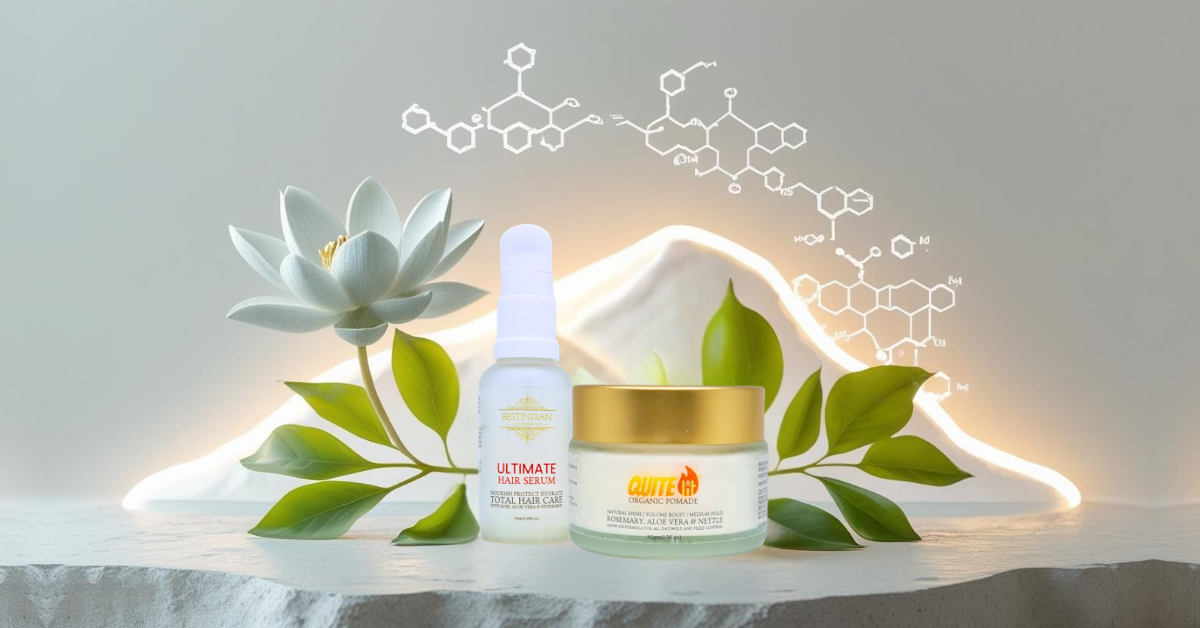
- The Botanical Styling Standard: Cleanly transition your daily sculpting routine toward certified organic hair wellness with plant-powered solutions like the QuiteLit™ Organic Hair Pomade or the weightless BestIndian™ Ultimate Hair Serum.
The Power of Natural Hair Wax – Sculpting Modern Styles with Nature's Hold
Hair wax has long been a staple for individuals seeking strong hold, pliable texture, and the ability to sculpt a wide array of contemporary and classic hairstyles. However, as the conscious consumer movement in India gains momentum, there's a significant and growing demand for "natural hair wax" and "organic hair wax" options. This shift is driven by a desire to achieve desired looks without relying on petroleum-based ingredients, synthetic polymers, or other potentially harsh chemicals that can compromise hair and scalp health over time.
Guide Contents
-
1. Defining Natural Hair Wax Formulations
Contrasting pure botanical bases with conventional petroleum jellies and synthetic polymers. -
2. The Science & Art Behind Performance
How natural structures create pliable scaffold holds, matte defusing finishes, and humidity barriers. -
3. Spotlight on Key Botanical Ingredients
An internal look at Beeswax, Carnauba, Candelilla, natural absorption clays, and pure essential oil scents. -
4. Selection Guide for Indian Hair Profiles
Matching hold configurations and texturizing densities to fine, coarse, wavy, or short strands. -
5. Mastering the Application Technique
Step-by-step practices covering dry hair raking, thorough hand emulsification, and avoiding buildup. -
6. The BestIndian™ Approach to Natural Styling
How our strict brand purity standards, ethical compliance, and hidden-chemical ban guide hair styling. -
7. Sculpting Your Style with Purity
Embracing the long-term biological advantages of conscious, chemical-free finishing aids. -
8. Frequently Asked Questions
Expert, evidence-based answers on hair wax buildup, daily scalp safety, and styling variables.
The allure of a "natural look hair wax" or one that provides a sophisticated "matte finish" using nature-derived components is undeniable. This ultimate guide is dedicated to unveiling the world of natural hair waxes. We will explore what sets them apart from conventional waxes, delve into the key botanical ingredients—like Beeswax, Carnauba Wax, Candelilla Wax, plant oils, and natural clays—that provide their styling prowess and nourishing benefits, discuss how to choose the best natural wax for your specific Indian hair type and styling aspirations (including for men and women), and provide tips on effective application.
While BestIndian™ does not currently feature a dedicated hair wax, understanding this category is vital for anyone committed to a holistic, natural approach to hair styling, a core principle of our Natural Hair Styling India: Your Definitive Guide.

What is a Natural Hair Wax? Understanding Its Composition & Advantages Over Conventional Waxes
Hair wax is a versatile styling product known for providing hold, texture, and definition, typically with a lower shine than pomades and less stiffness than gels. When we talk about a natural hair wax or an organic hair styling wax, we are referring to formulations that achieve these styling effects primarily through ingredients sourced from nature, consciously avoiding many of the synthetic components found in conventional products.
Defining Hair Wax & Its Primary Functions:
Hair waxes are generally thicker in consistency than pomades and are excellent for:
Creating Texture and Separation:
Ideal for defining layers, creating piecey looks, or adding a "mussed-up" feel.
Providing Hold:
From medium to very strong, depending on the formulation, helping styles stay in place.
Adding Control & Taming Flyaways:
Smoothing down unruly strands.
Achieving Matte to Low-Shine Finishes:
Many users prefer wax for a less glossy, more natural appearance.

The "Natural Hair Wax" Difference – A Focus on Pure Ingredients:
Unlike conventional waxes that often rely on petroleum jelly (petrolatum), mineral oil, microcrystalline wax (a petroleum derivative), synthetic polymers (like PVP or acrylates), silicones, and artificial fragrances/colorants, natural hair waxes build their efficacy on a foundation of:
Natural Waxes as Primary Structurants:
Beeswax (Cera Alba):
A cornerstone of "beeswax styling hair" products. It provides excellent pliable hold, helps to lock in moisture, offers a protective barrier, and adds natural texture. It's known for its conditioning properties as well.
Carnauba Wax (Copernicia Cerifera Cera):
Derived from Brazilian palm leaves, it's one of the hardest natural plant waxes, contributing to a firmer hold and some durability in styling.
Candelilla Wax (Euphorbia Cerifera Cera):
A plant-based wax that provides good hold, helps create a smooth application, and can add a subtle gloss.
Nourishing Plant Oils & Butters:
Often blended with the waxes to improve spreadability, add pliability to the hold, and provide conditioning benefits. Common choices include Jojoba Oil, Coconut Oil, Shea Butter, Castor Oil, or Almond Oil. These ensure the hair doesn't become overly dry or brittle from the hold agents.
Natural Clays (for Matte Finishes & Texture):
Some "natural hair clay wax" formulations incorporate Kaolin or Bentonite clay. These clays absorb excess oil, provide a distinct matte finish, and can add significant texture and volume.
Herbal Extracts & Essential Oils:
For added scalp benefits (e.g., from Rosemary or Nettle extracts) and to provide natural, appealing fragrances instead of synthetic perfumes.

Key Advantages of Choosing Natural Hair Wax:
Reduced Chemical Exposure:
Significantly lowers your exposure to potentially harmful or irritating synthetic chemicals, aligning with the desire for chemical-free hair styling products. This is particularly beneficial for individuals with sensitive scalps or those aiming for a "non-toxic hair styling" routine.
Hair & Scalp Health Benefits:
Natural oils, butters, and herbal extracts can actively nourish the hair and scalp, whereas some synthetics can be drying or cause buildup. Ingredients like beeswax are humectants, helping hair retain moisture.
Less Buildup & Easier Washout (Often):
While all waxes provide hold, natural formulations are often designed to wash out more easily with gentle shampoos, reducing the risk of heavy, stubborn buildup that can weigh hair down or clog follicles.
Pliability and Reworkability:
Many natural waxes offer a hold that remains workable, allowing for restyling throughout the day without needing to reapply large amounts of product.
Environmental Responsibility:
Plant-based waxes and oils are generally more biodegradable and sustainably sourced than petroleum-derived ingredients.
By understanding these fundamental differences, you can see why choosing a natural hair wax for men or women is not just about style, but also about making a healthier and more conscious choice for your hair and the environment. The principles of purity and efficacy found in BestIndian™'s natural philosophy extend to the ideal characteristics one should look for in any natural styling aid.
The Science & Art Behind Natural Wax Performance: Hold, Texture, Finish & Nourishment
The effectiveness of a natural hair wax is a sophisticated interplay of its constituent botanical ingredients. Unlike conventional waxes that might rely on a few dominant synthetic polymers or petroleum derivatives, natural formulations leverage the inherent physical and chemical properties of diverse plant-based waxes, oils, butters, and sometimes clays or herbal extracts. Understanding how these components contribute to hold, texture, finish, and even hair nourishment reveals the artistry and scientific consideration behind premium natural styling products.

A. Achieving Desired Hold Naturally – From Pliable to Firm:
The primary function of any hair wax is to provide hold, enabling styles to maintain their shape. Natural hair waxes achieve this through the structural matrix formed by their waxy components on and between hair fibers:
Natural Waxes as Key Structurants:
Beeswax (Cera Alba):
A cornerstone ingredient in many "beeswax styling hair" products. Beeswax is a complex mixture of esters, fatty acids, and long-chain alcohols. It provides excellent pliable hold, allowing for reworkability. Its melting point allows it to soften easily with the warmth of the hands for application and then set to provide structure. It also forms a cohesive film that binds hair strands together.
Carnauba Wax (Copernicia Cerifera Cera):
Known as the "queen of waxes," this is one of the hardest natural plant waxes. It has a higher melting point than beeswax and, when incorporated into formulations, significantly increases the firmness and durability of the hold, making it ideal for styles requiring more structure and longevity.
Candelilla Wax (Euphorbia Cerifera Cera):
Another robust plant wax that provides strong hold and contributes to the product's overall structure and wear-resistance.
Influence of Concentration and Blends:
The level of hold (light, medium, strong) in a natural wax is determined by the type and concentration of these waxes, as well as their combination with softer ingredients like plant oils and butters. Higher wax content generally leads to stronger hold.
How it Works:
These natural waxes create a supportive scaffold around and between hair fibers. As the product sets, this matrix holds the hair in the desired shape. Unlike some synthetic polymers that create a very rigid cast, natural waxes often allow for more flexibility and less "helmet head."
B. Crafting Texture, Definition & Sculptability with Nature's Best:
Hair wax excels at creating texture, separation, and definition, allowing for a wide range of modern and classic styles.
Malleability of Waxes:
The inherent pliability of natural waxes, especially when warmed by the hands, allows users to sculpt, twist, and define individual strands or sections of hair. This is crucial for achieving piecey looks, defining layers, or adding a controlled "messy" texture.
Role of Plant Butters (e.g., Shea Butter, Cocoa Butter):
When included, these add creaminess to the wax, improve spreadability, and contribute to a softer, more pliable texture that still offers definition.
Natural Clays (for "Natural Hair Clay Wax"):
Ingredients like Kaolin or Bentonite clay are often incorporated into natural waxes to provide exceptional texture, grittiness (for certain styles), and significant volume, particularly for fine or thinning hair. Clays also absorb excess oil, contributing to a matte finish.
C. Defining the Finish: Natural Shine vs. Sophisticated Matte:
The finish of a hair wax—whether it imparts shine or a matte look—is a critical styling choice, largely determined by its ingredient composition.
Natural Shine or Low Sheen:
Achieved through the inclusion of natural waxes like Beeswax and Carnauba (which have some inherent luster) and by incorporating nourishing plant oils (Jojoba, Coconut, Almond, Argan) or butters. These ingredients smooth the hair cuticle, allowing it to reflect light more evenly. A "natural look hair wax" often aims for this subtle, healthy sheen rather than an artificial high gloss.
Matte Finish ("Matte Finish Hair Wax"):
Increasingly popular for modern, textured, and voluminous styles. This is typically achieved by:
- Minimizing or excluding high-shine oils.
- Incorporating natural absorbent ingredients like Kaolin Clay, Bentonite Clay, or plant-based starches (e.g., Arrowroot Powder, Cornstarch). These absorb excess oil from the hair surface and diffuse light, creating a non-reflective, matte appearance.
D. Nourishing & Protecting Hair While Styling – The Holistic Advantage:
A significant benefit of high-quality natural hair waxes is their ability to offer hair care benefits alongside styling performance, a feature often absent in purely synthetic formulations.
Moisturizing & Conditioning:
Plant oils and butters (Jojoba, Shea, Coconut, etc.) blended into the wax provide essential fatty acids and emollients that moisturize the hair, prevent dryness, and improve softness. Beeswax itself is a humectant, helping to draw and retain moisture.
Scalp Health Support:
If the wax contains beneficial herbal extracts (e.g., Rosemary, Nettle, Aloe Vera – as seen in other BestIndian™ styling products) and is applied near the scalp for certain styles, these can offer soothing, antioxidant, or stimulating properties.
Protective Barrier:
The waxy and oily components form a light barrier on the hair shaft, which can help protect against environmental humidity (reducing frizz) and may offer some defense against pollutants or moisture loss.
The art and science behind natural hair wax performance lie in this skillful selection and balancing of natural waxes for hold and structure, oils and butters for pliability and nourishment, clays or starches for matte texture (if desired), and beneficial herbal extracts for added hair and scalp wellness. This results in styling products that are not only effective and versatile but also genuinely good for your hair. This aligns with the BestIndian™ philosophy of ensuring styling products contribute positively to hair health..
Spotlight on Key Ingredients in High-Quality Natural Hair Waxes
The performance and hair-friendly nature of a natural hair wax are intrinsically linked to its composition. Unlike conventional products that may rely on petroleum derivatives or synthetic polymers, high-quality natural waxes build their efficacy on a foundation of carefully selected botanical and nature-derived ingredients. Understanding these components helps you appreciate the craftsmanship and benefits behind a superior natural styling wax.

A. Natural Waxes – The Backbone of Hold & Structure:
These are the primary agents responsible for providing hold, texture, and pliability.
Beeswax (Cera Alba):
A timeless ingredient in natural cosmetics, beeswax is a cornerstone of many "natural hair wax" and "beeswax styling hair" products. It offers excellent, reworkable hold, helps to lock in moisture due to its emollient and humectant properties, and forms a protective yet breathable barrier on the hair shaft. Its natural tackiness helps in sculpting and defining styles.
Carnauba Wax (Copernicia Cerifera Cera):
Sourced from the leaves of the Brazilian "Tree of Life," carnauba wax is one of the hardest natural plant waxes. It imparts significant firmness and durability to the hold, often used in waxes designed for stronger styling. It can also contribute a subtle natural sheen.
Candelilla Wax (Euphorbia Cerifera Cera):
Another robust plant wax, candelilla wax provides strong hold, helps create a smooth application, and can add gloss. It also functions as a natural emulsifier, helping to bind oils and water-based components in a formulation.
B. Nourishing Plant Oils & Butters – For Pliability, Condition & Finish:
To balance the firmness of waxes and add conditioning benefits, natural hair waxes are often blended with plant-derived oils and butters.
Jojoba Oil (Simmondsia Chinensis Seed Oil):
A liquid plant wax that closely resembles human sebum, making it highly compatible with hair and scalp. It's lightweight, moisturizing, adds a natural shine, and improves the spreadability of the wax without greasiness.
Coconut Oil (Cocos Nucifera Oil):
Used judiciously, coconut oil can provide deep conditioning, moisture, and shine. Its fatty acids can nourish the hair.
Shea Butter (Butyrospermum Parkii Butter) & Cocoa Butter (Theobroma Cacao Seed Butter):
These rich butters are excellent emollients, providing moisture, softness, and a degree of pliable hold, particularly beneficial for drier or coarser hair types.
Castor Oil (Ricinus Communis Seed Oil):
Known for its thickness and shine-enhancing properties, castor oil can add gloss and contribute to hold when used in wax formulations.
C. Natural Clays & Powders – For Texture, Volume & Matte Finish:
For those seeking a "matte finish hair wax" or enhanced texture and volume, natural clays and powders are key.
Kaolin Clay & Bentonite Clay:
These natural clays are highly absorbent, helping to soak up excess oil from the scalp and hair shaft. They provide excellent texture, grip, and a distinct matte finish, making them ideal for voluminous, textured, or "undone" styles. They can also add a feeling of thickness to the hair.
Arrowroot Powder or Cornstarch:
These plant-based starches can also be used in natural waxes to absorb oil, provide a matte effect, and add a soft, velvety texture.
D. Herbal Extracts & Essential Oils – For Added Benefits & Natural Fragrance:
Premium natural waxes may also incorporate:
Botanical Extracts:
Extracts from herbs like Rosemary, Nettle, or Aloe Vera can provide antioxidant, scalp-soothing, or hair-strengthening benefits, ensuring the styling product also contributes to hair health.
Essential Oils:
Instead of synthetic perfumes, natural essential oils (e.g., Sandalwood, Cedarwood, Peppermint, Bergamot, Lavender) are used to impart a pleasant, sophisticated, and often therapeutic aroma. These can also offer subtle antimicrobial or scalp-stimulating benefits.
By understanding these primary natural ingredient categories, you can better appreciate how a chemical-free hair wax is formulated to deliver exceptional styling performance while being kind to your hair, scalp, and the environment. This knowledge is crucial when searching for the best natural hair wax for men or women who prioritize purity and efficacy.
How to Choose the Right Natural Hair Wax for Your Indian Hair Type & Desired Style
Selecting the perfect natural hair wax from the growing array of options in India requires matching the product's characteristics—its hold, finish, and ingredient profile—to your specific hair type and the hairstyle you aim to achieve. Not all natural waxes are created equal, and what works wonders for one person might not be ideal for another.

1. Assess Your Hair Type & Length:
Fine Hair:
Benefits from lighter-weight natural waxes that provide texture and some hold without weighing the hair down. Matte finish waxes with clay can be excellent for adding perceived volume. Avoid very heavy, oily, or overly sticky waxes.
Thick or Coarse Hair:
Can handle richer, stronger-hold natural waxes to provide control, manage volume, and maintain style throughout the day.
Straight Hair:
Natural waxes can be used to add texture, create piecey-ness, achieve sleek, controlled looks (like side parts or slick-backs with a shine wax), or add definition to layers.
Wavy Hair:
A pliable natural wax can help define waves, reduce frizz, and add a "beach-tousled" texture without making waves crunchy or stiff.
Curly Hair:
While some very light waxes might be used sparingly to define individual curls or tame frizz on the ends, generally, creams, gels, or pomades are often preferred for overall curl management to avoid disrupting the curl pattern or causing excessive stickiness.
Short Hair:
Waxes are often ideal for short hairstyles, providing the ability to spike, sculpt, add texture, and create defined, modern looks.
Medium to Long Hair:
Can be used to define layers, tame flyaways, add texture to updos, or control specific sections.
2. Determine Your Desired Hold Level:
Light Hold:
For subtle control, taming flyaways, adding a bit of texture to a very natural look.
Medium Hold:
Versatile for most styles – offers good control and definition with some pliability. Ideal for textured crops, messy styles, or adding body.
Strong Hold:
For more structured styles, quiffs, spikes, or hair that is resistant to styling. Look at the primary wax ingredients (e.g., higher Carnauba content often means stronger hold) and product descriptions.
3. Choose Your Preferred Finish:
Matte Finish:
For a no-shine, natural, often textured look. Seek out "natural hair clay wax" or waxes listing Kaolin/Bentonite clay or starches.
Natural Sheen / Low Shine:
Provides a healthy, subtle gloss without looking overly greasy. Often achieved with a good balance of beeswax and light plant oils.
Medium to High Shine (Less Common in Purely Natural Waxes without specific oils):
Some natural waxes with higher oil content can provide more shine, suitable for classic, sleek styles.
4. Consider Your Styling Goals:
For Texture & Separation:
Look for pliable waxes, perhaps with some clay.
For Slicked-Back Styles or Pompadours:
You'll need a wax with good hold and potentially some shine, or a natural pomade (which often contains waxes).
For Taming Frizz & Flyaways:
A small amount of a smoother, slightly conditioning wax can work well.
For Volume (especially in fine hair):
A lightweight, matte-finish wax with clay can help create lift and the appearance of fullness.
5. Read the Ingredient List (INCI) Carefully:
Revisit the principles from Section IV ("Spotlight on Key Ingredients..."). Ensure the primary ingredients are natural waxes and beneficial oils/butters. Avoid products with petroleum, mineral oil, parabens, silicones, and synthetic fragrances if you're seeking a truly chemical-free hair styling product. The presence of nourishing herbal extracts like Rosemary, Nettle, or Aloe Vera is a bonus.
6. Brand Reputation and Transparency:
Opt for brands that are transparent about their sourcing and formulations. While specific certifications for "hair wax" might be less common than for broader cosmetic categories, a brand's overall commitment to natural and organic principles is a good indicator.
Finding the best natural hair wax for your needs might involve some experimentation, but by understanding these key factors, you can make a more informed choice and enjoy styling your hair with products that are both effective and aligned with a healthy, natural approach.
Mastering Application: How to Use Natural Hair Wax Effectively for Best Results
Once you've selected the ideal natural hair wax for your hair type and desired look, mastering the application technique is key to achieving a polished, lasting style without buildup or a greasy appearance. Natural waxes, often rich in beeswax and plant oils, require a slightly different approach than some synthetic stylers.

1. Start with the Right Canvas: Usually Dry or Slightly Damp Hair
For Texture & Matte Finish:
Most natural waxes, especially those containing clays or designed for a matte look, perform best when applied to completely dry hair or hair that is only very slightly damp. Applying to wet hair can dilute the product and reduce its holding power and texturizing ability.
For Sleeker Styles or More Pliability:
Some creamier natural waxes or those with higher oil content might be applied to slightly towel-dried (but not wet) hair for easier distribution and a slightly smoother finish.
2. Less is More – The Golden Rule of Wax Application:
This is crucial with natural waxes, which can be quite concentrated. Start with a very small amount – typically a pea-sized amount or even less, scraped out with the back of a fingernail. You can always add more if needed, but it's difficult to remove excess without washing.
3. Emulsify Thoroughly – Key to Even Distribution:
This step is vital for natural waxes, especially those with a firmer consistency like beeswax styling hair products.
Rub the small amount of wax vigorously between your palms and fingertips until it warms up, melts slightly, and becomes nearly transparent or very pliable. It should feel evenly distributed on your hands with no clumps. This process makes the wax much easier to apply evenly through the hair.
4. Strategic Application for Desired Effect:
For Overall Texture & Volume (Short to Medium Hair):
Once emulsified, lightly rake your fingertips through your hair, starting from the roots if you want lift, or focusing on the mid-lengths and ends for texture and separation. Work from back to front or all over, ensuring light, even coverage.
For Defining Pieces or Taming Flyaways:
Use a very small amount on your fingertips to individually sculpt, twist, or smooth down specific sections or errant hairs.
For Spikes (Short Hair):
Apply directly to the sections you want to spike, working from root to tip and twisting for definition.
For a Natural Look Hair Wax Finish:
Apply sparingly and focus on creating subtle definition and control rather than an overly "product-heavy" look.
5. Build Up Product Gradually if Needed:
If you need more hold or texture after the initial application, add another very small amount of wax, emulsify, and apply again only where needed. Layering thin applications is more effective than applying one large amount.
6. Style with Fingers or Comb:
Fingers:
Best for creating textured, messy, or piecey looks. Allows for more direct sculpting.
Comb:
Can be used after initial application to create neater, more defined styles like side parts or to smooth down hair, but use sparingly as too much combing can sometimes reduce the textured effect of the wax.
7. Tips for Avoiding Buildup & Easy Removal:
-
- While natural waxes are generally less prone to stubborn buildup than some synthetic petroleum-based products, using too much consistently can still lead to some residue.
- Use Sparingly: This is the best prevention.
- Clarify Occasionally: If you feel any buildup, use a gentle clarifying shampoo or a natural scalp cleanse periodically.
- Washing Out: Most high-quality natural waxes (especially those without heavy synthetic polymers) wash out relatively easily with a good quality natural or sulfate-free shampoo.
By mastering these application techniques, you can harness the full potential of your chosen natural hair wax to create a wide array of stylish looks while keeping your hair healthy and residue-free.
The BestIndian™ Approach to Natural Styling (Even Without a Current Wax Product)
While BestIndian™ may not currently feature a dedicated hair wax in its publicly available lineup, the brand's overarching philosophy of "Ancient Wisdom, Modern Science," its unwavering commitment to purity, and its dedication to creating high-performance natural products provide a clear indication of the principles that would guide such a formulation. Understanding this ethos helps consumers appreciate the standards of excellence they can expect from any BestIndian™ styling product.

Foundation in Purity & Natural Origin:
Any BestIndian™ styling product, including a conceptual hair wax, would be built upon a foundation of the purest natural and organic ingredients. This means a steadfast avoidance of petroleum derivatives, mineral oil, harsh synthetic polymers, parabens, silicones, artificial fragrances, and dyes, aligning with the rigorous standards of its COSMOS Organic certified products (like the Ultimate Hair Oil and Shampoo) and its "chemical-free" promise.
Leveraging Potent Botanical Actives:
Drawing from India's rich Ayurvedic heritage and global botanical knowledge, a BestIndian™ wax would likely incorporate beneficial herbal extracts and plant oils that offer not just styling performance but also nourishment and protection for the hair and scalp. Ingredients like Rosemary, Nettle, and Aloe Vera (featured in the QuiteLit™ Pomade) or Amla (featured in the Hair Oil & Shampoo) exemplify this approach, providing antioxidant, soothing, strengthening, or scalp-stimulating benefits. The focus would be on "styling products for sensitive scalp (natural options)" where possible.
Performance Through Natural Efficacy:
The goal would be to achieve desired hold (from pliable to firm), texture, and finish (natural or matte) using effective natural alternatives like Beeswax, Carnauba Wax, Candelilla Wax, natural clays, and carefully selected plant oils and butters, rather than relying on synthetic shortcuts. The science would lie in the precise balancing of these ingredients for optimal performance and a luxurious feel.
Commitment to Transparency & Ethical Practices:
Full ingredient disclosure ("No Hidden Ingredients"), cruelty-free testing, vegan formulations where possible, and eco-conscious packaging would be integral, reflecting the brand's core values.
The Holistic Experience:
Even in a styling product like wax, the BestIndian™ approach would consider the holistic experience – from a pleasant, 100% natural fragrance to a non-damaging formula that is easy to use and wash out, contributing positively to overall hair health.
While a specific BestIndian™ hair wax may be a future aspiration, the brand's current styling offerings, the BestIndian™ Ultimate Hair Serum and the QuiteLit™ Pomade by BestIndian™", already embody these principles of natural purity, botanical efficacy, and luxurious, healthy styling. They serve as excellent examples of how effective styling and hair wellness can go hand-in-hand, setting a high standard for what consumers should expect from the "best natural styling products India" has to offer.

Sculpt Your Style Naturally & Confidently with Pure Hair Waxes
The art of hair styling is a powerful form of self-expression, and the products we choose play an integral role in bringing our vision to life. As we've journeyed through this definitive guide, it's clear that opting for "natural hair wax" and "herbal hair wax" formulations offers a sophisticated and health-conscious way to achieve impeccable style without compromise. The Indian market is increasingly embracing these pure alternatives, recognizing that true luxury lies in efficacy that also nurtures.
By understanding what constitutes an authentic "natural hair wax"—from its foundation of natural waxes like Beeswax and Carnauba to nourishing plant oils, butters, and beneficial herbal extracts—you are empowered to move beyond conventional, often petroleum-laden and synthetic-heavy products. Choosing formulations free from harsh chemicals, parabens, silicones, and artificial fragrances means you are prioritizing not only the immediate look of your hairstyle but also the long-term health of your hair and scalp. This aligns with a broader shift towards conscious, chemical-free hair styling in India.
Mastering the application of natural waxes, from proper emulsification to strategic placement for hold, texture, or a desired "matte finish" or natural sheen, allows you to harness their full potential. These products offer remarkable versatility for both men and women, catering to a multitude of styles, from textured crops and defined spikes to sleekly controlled looks and tamed flyaways.

While BestIndian™ champions the principles of natural, pure, and effective formulations across its entire range, as detailed in our brand's styling philosophy, the knowledge gained from this guide equips you to assess and appreciate any high-quality natural hair wax. It's about making informed choices that resonate with your desire for style, health, and sustainability.
Sculpt your look with confidence, knowing that the power of nature can provide exceptional hold, texture, and finish, all while respecting your hair's integrity. Embrace the pure power of natural hair waxes and elevate your styling ritual to an art form that is both beautiful and beneficial.
Frequently Asked Questions: Scientific Natural Hair Styling
1. Will daily use of hair wax cause hair fall or clog my scalp pores?
Conventional hair waxes containing mineral oils or heavy petrolatum can block follicles and trap dead skin cells, which can trigger scalp irritation or hair fall. On the other hand, natural hair waxes made with breathable waxes like Beeswax or plant-derived oils provide control while letting the scalp breathe naturally.
2. Why is thorough hand emulsification so critical when using a natural hair wax?
Because high-quality natural waxes contain pure structurants like Carnauba or Beeswax, they feature a naturally firm setting profile. Vigorously rubbing a pea-sized amount between your palms and fingertips warms the lipid esters up past their melting point, turning the clumps into a smooth, translucent film that distributes evenly without pulling your hair strands.
3. Can natural hair wax be applied to wet hair?
It is generally not recommended, especially if you are using a clay-based matte wax. Water forms a physical barrier over the hair shaft that dilutes natural waxes, dropping their overall holding power and making texturizing difficult. For the best matte finish and piecey separation, always apply to dry or lightly towel-dried strands.
4. How do natural clays inside a hair wax help fine or thinning hair types?
Natural clays like Bentonite and Kaolin act as oil-absorbent mineral structures. When raked through fine hair, they pull away excess oil from the scalp and shaft while coating individual strands. This expanding physical interaction gives fine hair immediate volume, lift, and a thicker look without a heavy look.
5. How can I safely wash natural waxes out of my hair without over-stripping it?
Unlike petroleum styling options that require multiple rounds of intense detergents, pure plant waxes and natural butters are designed to rinse out easily. Washing your hair with a gentle, sulfate-free, pH-balanced shampoo easily breaks down the natural lipid film, leaving your strands clean and free from sticky buildup.